
The short version
- Weddings and galas in peak season (spring through early fall): book 9 to 12 months out, ideally before you lock the venue's busiest weekends.
- Corporate events, brand activations, and product launches: 6 to 10 weeks is the safe window, 4 weeks is workable, under 2 weeks limits you to whoever happens to be open.
- Concerts, festival coverage, and same-day social content: booking follows the show's confirmation date, usually 3 to 6 weeks out once the lineup and access are locked.
- LA-specific squeeze: award season, film festival weeks, and major convention dates at the Convention Center pull crews out of the freelance pool fast.
- Waiting doesn't just risk availability. It risks getting a thinner crew, a rushed pre-production call, and a slower turnaround.
The short answer
For most events in Los Angeles, book your videographer 6 to 10 weeks before the date. For weddings and large galas, push that to 9 to 12 months, especially if you're locked into a spring, summer, or early fall weekend. For anything tied to a live show, tour stop, or festival slot, book as soon as the date and access are confirmed, since those windows tend to open late and close fast.
The pattern across every event type is the same: the date rarely moves, but the pool of crews who can actually cover it shrinks every week you wait. Booking early isn't about being cautious. It's about keeping your options open on crew size, gear, and turnaround speed.
Weddings and private celebrations
Wedding videography books the furthest out of any event category, and LA is no exception. If your date falls in peak wedding season, roughly April through October, plan on 9 to 12 months of lead time. Popular Saturdays at sought-after venues get claimed by both the venue and the video team on the same timeline, so if you're still deciding on a videographer six weeks before a June wedding, you're choosing from whoever's calendar has a gap, not who you actually want.
Off-season dates (late fall, winter, weekdays) give you more room. Six to eight months out is usually enough to get your first-choice team and still have time for an engagement shoot or a planning call.
- Peak season Saturday: 9 to 12 months
- Off-peak or weekday: 6 to 8 months
- Destination or multi-day (rehearsal dinner plus wedding): add 2 to 3 months to whichever range applies
Corporate events, brand activations, and product launches
Corporate work moves faster than weddings but still rewards planning. A 6 to 10 week window is the sweet spot: enough time for a real pre-production call, a shot list built around your run of show, and a crew that isn't stitched together from last-minute availability.
Four weeks out is workable for most single-day shoots, a launch event, an internal town hall, a panel, an activation booth. Under two weeks, you're not choosing a team anymore. You're taking whoever's free, and that usually means a smaller crew, less pre-production, and a longer wait for final delivery because the good editors are already booked on other projects.
Fall is the tightest stretch of the year in LA corporate video. Conference season, award-adjacent events, and Q4 marketing pushes all land in the same eight-week window, so if your event is September through November, move your booking date up accordingly.
Concerts, festival coverage, and tour stops
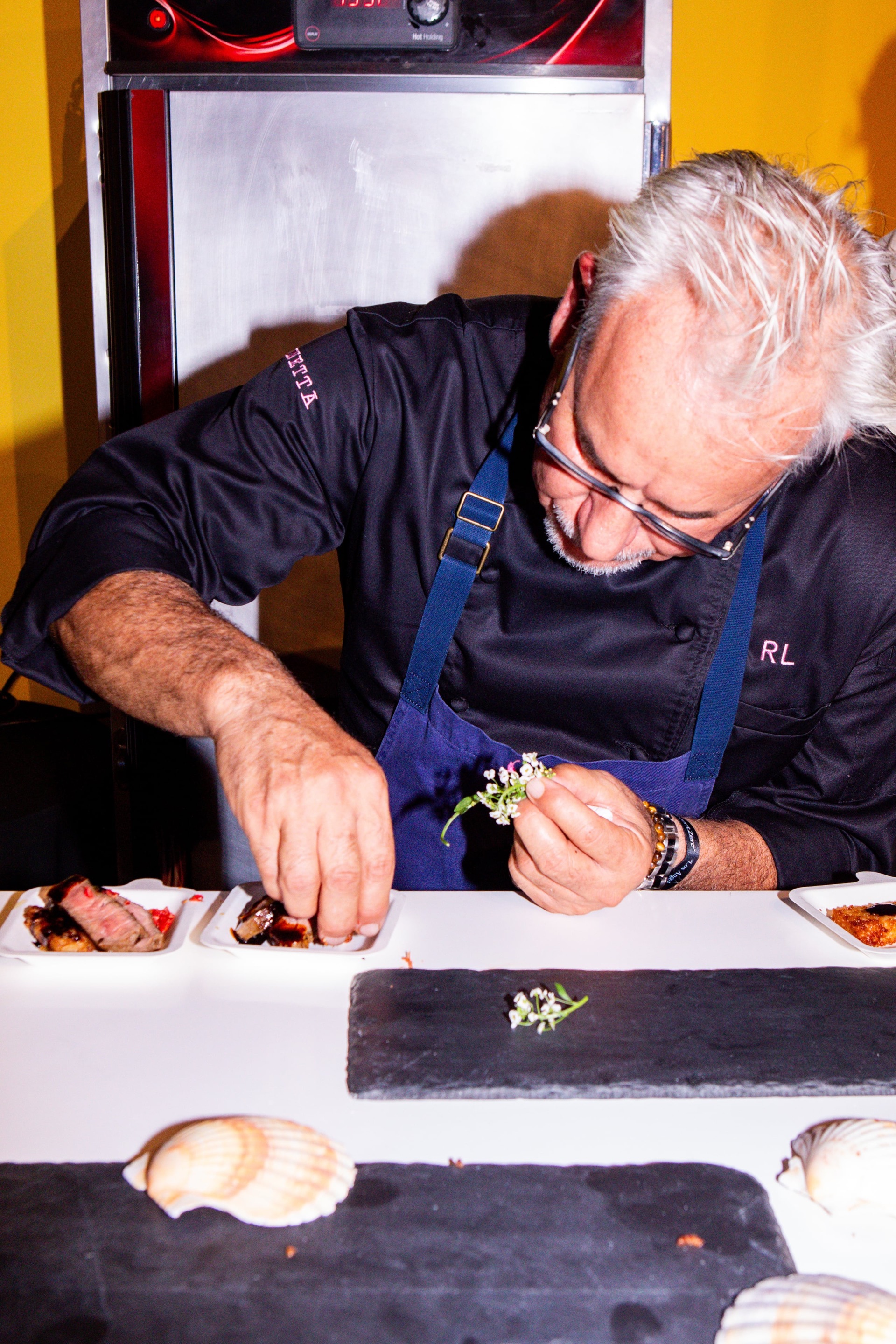
Live music coverage runs on its own clock. Artist and venue confirmations often land later than a typical corporate booking, so the realistic window is 3 to 6 weeks once access, photo pit clearance, and set times are locked. The tighter part isn't your planning, it's waiting on the people above you in the chain.
What matters most here isn't lead time so much as flexibility once you do book: a team that can turn a recap or aftermovie fast, because a festival highlight reel loses most of its value if it's not out within days of the show.
Same-day social content and event-day turnarounds
If the ask is same-day edits, live-cut Reels, or a recap posted before the event even ends, book that specifically and book it early. Same-day turnaround isn't just an editing speed problem, it's a staffing problem: it usually means a second shooter or an on-site editor dedicated only to that deliverable, which needs to be planned into the crew size from the start, not added the week before.
Treat same-day social as its own line item on your timeline. A crew that can shoot a clean event but can't turn content in hours is a different booking than one built for both.
What actually happens if you wait
Booking late in LA doesn't usually mean you get no coverage. It means you get a worse version of it:
- Smaller crew. Multi-camera coverage requires shooters who are already free on that exact date. Wait too long and you're down to a single operator trying to cover a stage, a crowd, and b-roll alone.
- Thinner pre-production. A rushed booking usually means no real planning call, which means the crew is guessing at your shot list on the day.
- Slower delivery. Editors are booked in sequence. A late booking often lands at the back of that queue, even if the shoot itself went fine.
- Premium pricing. Rush bookings inside a week or two often carry a rush fee, since it usually means pulling a crew off another job or paying overtime to make it work.
What moves the price
In the Los Angeles market, a solo shooter with basic editing runs roughly $800 to $1,500 a day. Full multi-camera corporate event coverage, one to two shooters plus an edited recap, typically lands in the $3,000 to $15,000 range depending on hours, number of cameras, and turnaround speed. Multi-day conferences, livestreams, and same-day edit teams can climb well past that, into the tens of thousands, once you're staffing for multiple stages or rooms.
What actually moves your number:
- Number of cameras and shooters. One operator versus a true multi-cam setup is the single biggest swing in both price and what you can cover.
- Hours on site. A two-hour ceremony and an eight-hour conference are not the same booking.
- Turnaround speed. Standard delivery (1 to 2 weeks) costs less than a same-day or next-day cut.
- Deliverables. A single recap video is a different scope than a recap plus a dozen social cutdowns plus event-day photo coverage.
Because every one of those variables changes the quote, the honest move is to get specific numbers from a discovery call rather than anchor to an average. That's also where booking early pays off twice: you get a crew that fits the day, and enough runway to actually plan the shot list instead of reacting to it.
The LA-specific squeeze points
A few local patterns worth building your timeline around:
- Fall conference season. September through November is the busiest stretch for corporate and brand event coverage citywide.
- Award season and adjacent weeks. Late winter into early spring pulls experienced crews toward entertainment industry work, tightening the pool for everything else.
- Peak wedding weekends. Spring and summer Saturdays at in-demand venues book out video teams as fast as they book out the venue itself.
- Major convention dates. Large-scale events at downtown venues can absorb a big share of the local crew pool for that week alone.
If your date falls near any of these windows, move your booking timeline up, not because the math changes, but because the competition for the same calendar slots does.
Have a date in mind? Book a discovery call and we'll map the right crew size, coverage plan, and turnaround for it.
One team, full production, out of Los Angeles. Tell us about the project and we will map the right approach on a quick discovery call.
Book a discovery call