The short version
- Single-camera concert coverage in LA runs $1,200 to $3,000 all-in for the shoot plus an edited highlight reel.
- Multi-camera setups with a small crew typically fall between $4,000 and $8,000 depending on operators and deliverables.
- Same-day highlight delivery adds $800 to $2,000 and is one of the highest-leverage investments in live music marketing.
- Major LA venues require media credentials through the promoter, budget two to three weeks of lead time, longer for festivals.
- Post-production scope, not the shoot itself, is where most of the spread between quotes lives.
What You Are Actually Paying For
When you hire a concert videographer in Los Angeles, you are buying two distinct things: the shoot and the edit. Most clients focus on the shoot. Most of the money lives in the edit.
The shoot covers crew day rates, camera gear, media cards, any equipment rental beyond what the crew owns, and travel within Southern California. The edit covers the editor's time, color work, audio sync if you are pulling a board mix, and final delivery. For a two-hour concert captured with a three-camera setup, you can expect six to twelve hours of raw footage depending on how many operators were working. That material does not cut itself.
Budget for both ends of the job before you start calling crews. The clients who end up surprised by invoices are almost always the ones who priced the shoot and forgot the post.
LA Market Ranges for Concert Videography in 2026
The Los Angeles market breaks into three practical tiers based on crew size and deliverable scope. These are all-in project costs, not raw day rates.
Single camera, one operator, edited recap: $1,200 to $3,000
One skilled shooter for a full event day, a basic highlight or recap cut, and standard delivery within five to seven business days. This tier fits smaller club shows, private showcases, and album release parties where you need solid documentation without a multi-platform distribution plan behind it.
Two to three cameras, small crew, highlight plus full performance: $4,000 to $8,000
The most common bracket for concert videography in Los Angeles. A DP or director on a main wide, an operator on a roaming camera for energy and artist moments, and often a third at the stage lip for close detail. Deliverables typically include a two-to-four minute highlight and a multi-angle full performance cut. Add a jib arm or a fourth operator and you move toward the top of this range.
Full multi-camera production with dedicated editor and same-day social content: $8,000 to $18,000+
Four or more operators, a dedicated on-site editor cutting social clips in real time, a producer managing the floor, and broadcast-quality deliverables. This is where festival coverage, label-approved live sessions, and national touring acts live. Equipment packages at this level include cranes, wireless monitoring feeds, and a production basecamp.
The individual day rate for a skilled event videographer in LA runs $750 to $1,400 depending on experience and the camera package they own. The project totals above reflect crew, gear, and post combined, which is the number that matters when you are setting a budget.
What Moves the Price Up or Down
Concert video quotes in Los Angeles can swing by a factor of four for what looks like the same job on paper. Here is what explains that spread.
- Deliverable count. One polished highlight is priced differently than a highlight plus ten individual song clips plus vertical Reels and Shorts cuts. Have your list before you ask for a quote.
- Post-production complexity. A full multi-angle performance cut of a 90-minute set means an editor syncing and logging footage for days. A tight 90-second recap is a different job with a different timeline and a different price.
- Crew call time. A crew called for a 4pm load-in at a room like the Fonda or the Wiltern and wrapping after midnight is a twelve-plus-hour day. Overtime applies on most non-union agreements in Southern California around the ten-hour mark, and it adds up fast.
- Equipment rental beyond owned kit. Jibs, stabilizers, wireless audio feeds pulled from the board, and additional camera bodies all carry day rates. Ask what is in the crew package and what bills separately.
- Turnaround speed. Standard delivery in five to seven business days is the baseline. A 48-hour turnaround adds roughly $300 to $600. Same-day delivery is its own line item with its own logistics, discussed below.
Multi-Camera Coverage: When You Need It and What It Costs
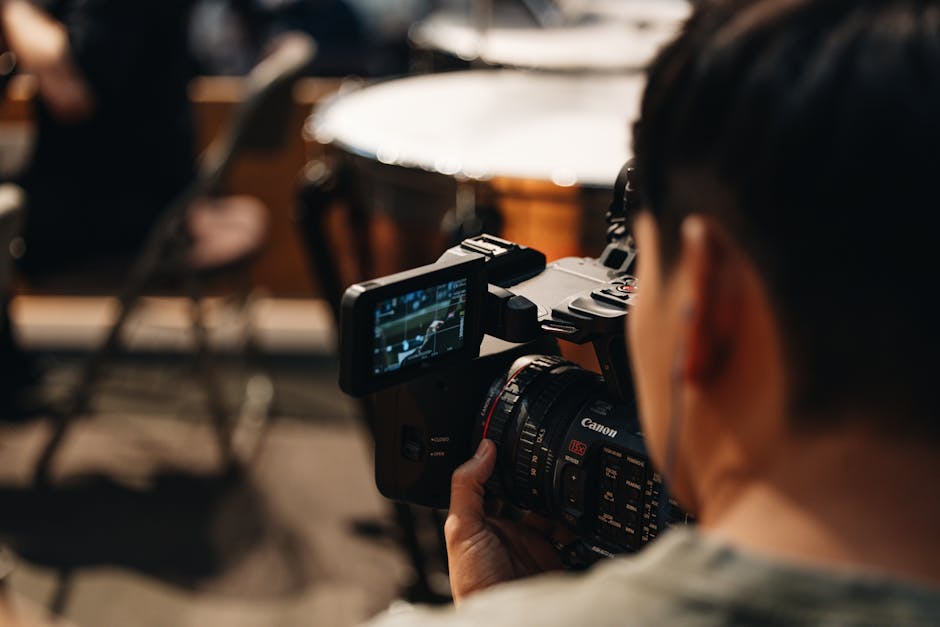
A single skilled operator can produce genuinely good concert footage. Multi-camera coverage is a different product, and it is not always necessary. When it is, though, it is obvious.
You need multi-cam when the artist has a full production with lights, staging, or movement that no single angle can capture. When you need individual song deliverables rather than a general highlight. When label, management, or a streaming partner will review the footage. When you are building a live session or EPK asset that will be in rotation for years.
For a three-camera shoot, budget a floor of $4,000 to $6,000 for a competent LA crew including gear. A four-camera setup with a dedicated director and proper monitoring starts around $7,000 and scales from there. These are not the cheapest operators on a freelance board. They are experienced production teams who understand how to read stage light, how to time a cut to a musical phrase, and how to stay out of each other's shot in a packed photo pit.
One crew covering both photo and video simultaneously is a real option at this level. Coordinating a separate photography team and a video crew on a crowded floor is logistically painful and often produces redundant moments. A team that handles both halves the coordination burden and tends to deliver more coherent footage and stills, because both shooters are reading the same energy in the same room at the same time.
Same-Day Turnarounds: The Highlight Reel That Earns Its Keep
Same-day concert video delivery is one of the highest-leverage investments in live music marketing. A 60-to-90-second highlight posted while the show is still trending catches the audience when they are still buzzing. That same clip posted four days later is background noise.
In Los Angeles, same-day highlight delivery adds $800 to $2,000 to a concert video package. The range depends on whether the crew includes a dedicated on-site editor with a cutting station or the DP is banking selects during the show for a rapid post-show assembly. Both approaches work when the right people are executing them. Both fall apart when the wrong people try to rush them.
Same-day is not the same product as a polished recap. Same-day is raw momentum: the best moments, minimally color-corrected, cut to the room's most electric song or the most shareable sequence. The polished recap follows 48 to 72 hours later. Both serve different functions in a release strategy, and artists who budget for both consistently outperform those who order only the long-form deliverable and wonder why the social clip underperforms.
Filming at LA Venues: The Coordination Layer Most Budgets Miss
Los Angeles has some of the most sought-after live music venues in the country, and nearly all of them have strict policies about professional cameras on the floor. The Kia Forum prohibits video cameras with professional zoom lenses. The Hollywood Bowl bans audio and video recording devices without explicit clearance. Most rooms operated by major promoters require media credentials issued through the show's promoter before any camera package walks in the door.
A production company cannot simply show up with a camera. The access has to be arranged in advance: media credentials through the promoter, sometimes a label approval loop, and in some cases a permit from FilmLA if the production is large enough to constitute a commercial shoot under city or county rules. The production team you hire should handle this coordination as a matter of course. If they have not done it before, that is a signal.
Budget two to three weeks of lead time for credential requests at mid-tier and major LA venues. Festival media applications for events like Coachella, Rolling Loud, and HARD close months in advance and require editorial or label documentation. For independent shows at smaller rooms, a direct conversation with the talent buyer or venue manager usually resolves access. One phone call. Make it before the day of show, not on the way there.
How to Scope a Concert Video Project in LA
The cleaner your brief, the tighter and more comparable your quotes will be. Before you reach out to any crew, have answers to the following:
- The venue, including its camera policies and whether media credentials need to come through the promoter
- Expected performance duration and how many songs or sets need full coverage versus general atmosphere
- Your full deliverable list: highlight reel, full performance cut, individual song clips, vertical social formats, or some combination
- Your deadline, and specifically whether you need same-day social content the night of the show
- Whether photo coverage should run alongside video on the same night
Los Angeles has a deep pool of event video talent. The crews who do concert work well, who understand venue light, read musical timing, and know the difference between a technically correct shot and a usable one, are not the cheapest options on a job board. They are the ones whose footage you actually want to use months after the show.
When people ask how much it costs to film a concert in LA, the honest answer is: it depends on what you want to do with it. Budget $1,200 for a single-camera club show with a basic recap. Budget $6,000 to $10,000 for a three-camera package with same-day social and a polished highlight delivered in 48 hours. The right number is the one that matches what the footage needs to accomplish.
Tell us about your show and we will build a coverage plan that fits your stage.
One team, full production, out of Los Angeles. Tell us about the project and we will map the right approach on a quick discovery call.
Book a discovery call