The short version
- Solo shooters top out fast at festival scale. Multi-day, multi-stage events need a crew, not a person.
- LA festival video crews run roughly $2,000 to $8,000+ per day depending on camera count, stages covered, and turnaround speed.
- Same-day recap edits require a dedicated on-site editor and a shot list built around the release window, not just good footage.
- Lock crew access, stage timing, and artist approvals before the shoot, not during it.
- One team covering both photo and video cuts communication overhead and gets you a matched visual set faster.
Why festival coverage is a different job than a normal shoot
A branded shoot has one subject, one schedule, and a controlled space. A festival has none of that. You've got overlapping set times across multiple stages, a crowd that moves like weather, artists with their own management and approval chains, and a hard deadline if you're promising same-day or next-day content. Hiring for it the way you'd hire a single videographer for a corporate event is where most promoters get burned.
The right way to think about festival video production in LA is closer to how you'd staff a live broadcast: assign roles, cover multiple angles at once, and build in an edit pipeline that can turn footage around while the event is still happening. That's a crew decision, not a camera decision.
What a festival video crew actually looks like
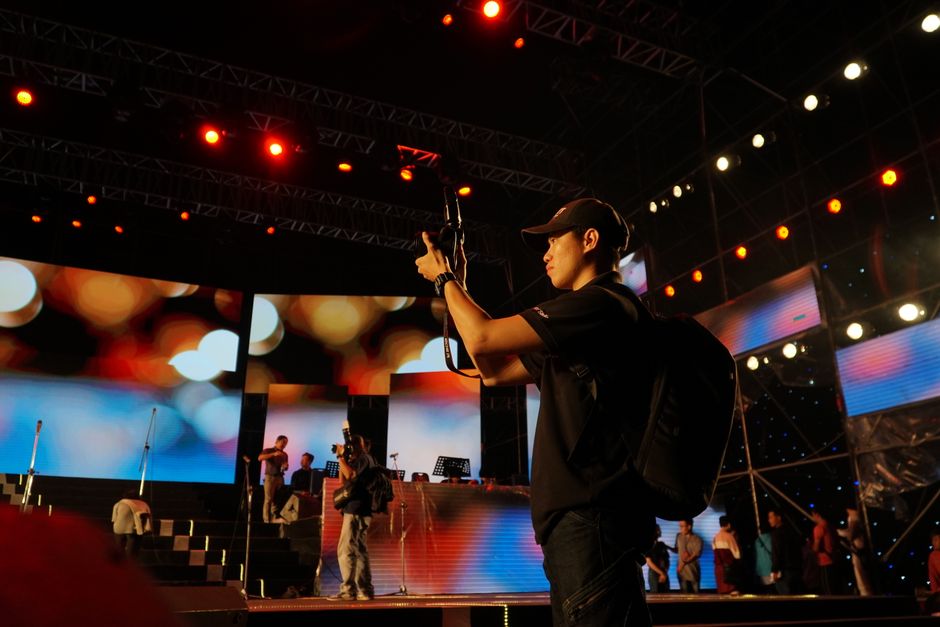
For a single-stage local festival or brand activation, two to three shooters covering wide, stage-front, and crowd/roaming angles is usually enough to cut a strong recap. For a multi-stage festival with headliners, you're looking at a shooter per stage during peak sets, plus a roaming unit for crowd, vendors, and general atmosphere, plus someone dedicated to behind-the-scenes and artist moments if that access exists.
- Stage cameras: locked or operated cameras covering the performance itself, ideally from more than one angle so the edit has cuts to work with.
- Roaming/crowd unit: the shots that actually sell the energy of the day. Crowd reactions, line-ups, food and merch, sunset, the in-between moments.
- Gimbal or handheld run-and-gun: for walk-throughs, artist arrivals, and anything that needs to move fast through a crowd.
- On-site editor: non-negotiable if you need anything turned around same day or next morning.
The keyword promoters search for here is exactly what it sounds like: festival videographer Los Angeles usually means someone who's actually worked a pit, knows how to move through a crowd without becoming part of it, and understands set-time discipline.
Realistic 2026 cost ranges for LA festival video
Pricing for festival work in Los Angeles moves in a wide band because the variables move fast. As a general 2026 market reference: a single experienced videographer in LA runs roughly $800 to $1,500 a day solo. Add camera operators and a lead shooter or DP for a fuller crew and day rates for individual roles typically land between $650 and $2,400 depending on seniority.
Stack that into an actual festival production and full crew days for a multi-camera festival shoot generally land in the $2,000 to $8,000+ per day range in the LA market, with larger multi-stage, multi-day events pushing higher once you add editors, additional camera operators, and drone coverage where permitted.
What moves the number most:
- Number of cameras and stages covered simultaneously
- Whether you need a same-day or next-day edit, which requires a dedicated editor on-site or on standby
- Multi-day festivals versus a single day
- Artist-specific coverage requests (backstage, meet-and-greet, press access)
- Drone or aerial coverage, which has its own permit and airspace considerations at most LA venues
These are honest market ranges to budget against, not a quote. Every festival has a different footprint, so the real number comes out of a short call about your stages, your timeline, and what you're actually delivering after.
Multi-cam coverage: why it's worth the extra bodies
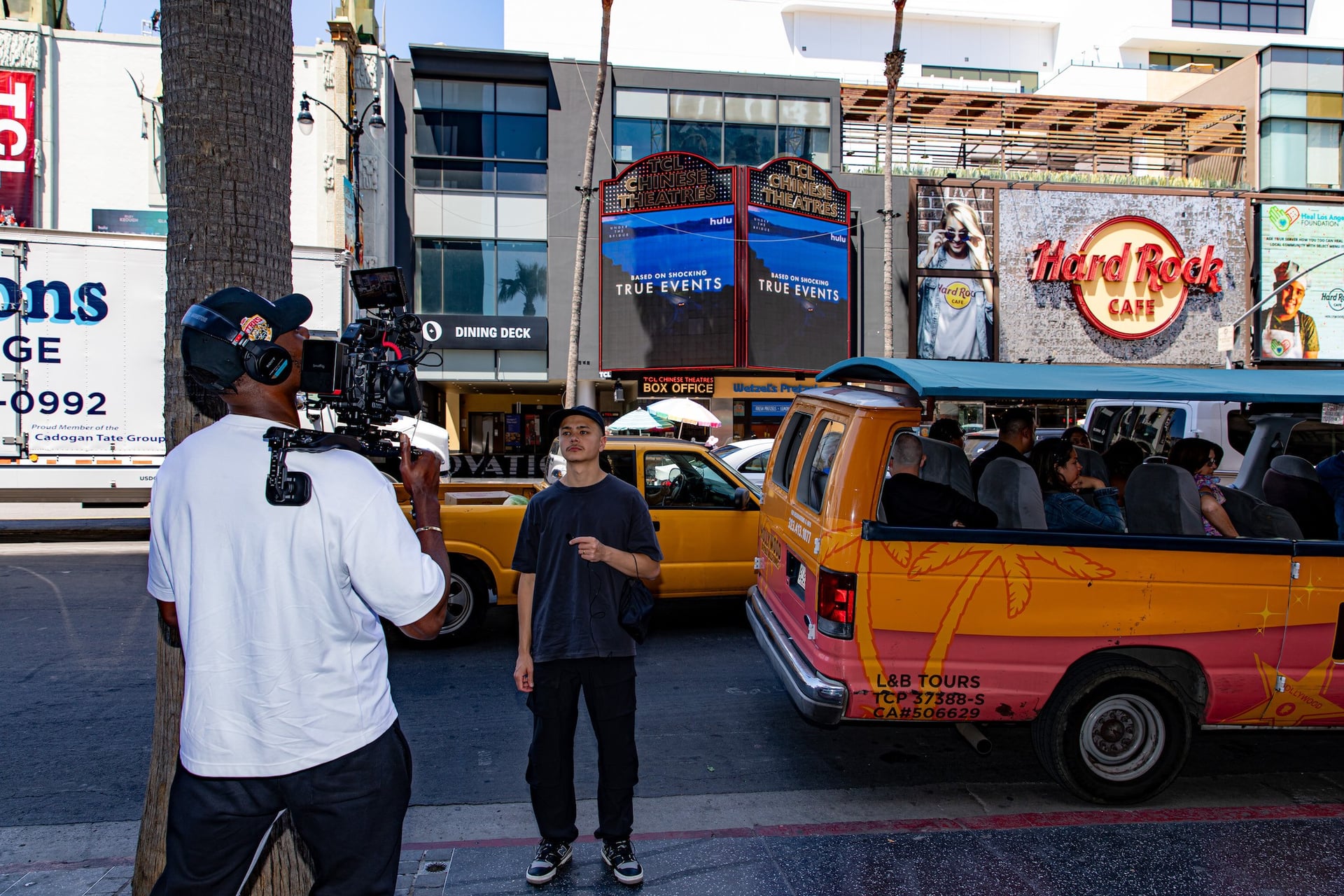
A single camera on a festival stage gives you one story: the performer. Multi-camera coverage gives you the whole day. Wide stage shots establish scale, a tighter lens catches performance detail, and a roaming camera catches the crowd singing every word back. When you cut those together, the recap actually feels like the festival was as big as it was. A one-camera edit of the same footage almost always reads smaller and flatter than the event actually felt on the ground.
This matters more in LA specifically because the city's festival venues, from downtown parks to stadium lots to beachside grounds, tend to be big, open, and visually strong on their own. A single fixed angle wastes that. Multiple cameras let you actually use the location as part of the story.
Same-day and next-day turnaround, and why it's a staffing decision
If the plan is to post a recap while the festival is still trending, or drop a hype edit the morning after for ticket sales on a future date, that changes who you need on-site. Same-day social content isn't something you bolt on after the shoot. It requires an editor working in parallel with the shooters, pulling cards throughout the day instead of waiting until wrap, and a pre-built shot list aimed at what the edit actually needs rather than just "get everything."
Crews built for fast turnaround plan backward from the post time. If a recap needs to be live by 9am the next day, the edit needs to start that night, which means footage needs to be off cards and organized before the last set even ends. That's a workflow decision made before the shoot, not during it.
What to lock down before you hire
Promoters who get the best results come to the first call with a handful of things already sorted, or ready to sort together:
- Access level: general grounds access, photo pit access for specific sets, and any backstage or artist access are three very different permissions with three different approval chains, usually involving artist management or the festival's own press coordinator.
- Set times and priority stages: not every set needs a dedicated camera. Knowing which artists or moments matter most helps a crew allocate bodies correctly.
- Deliverable list and deadlines: a hype teaser before doors, a same-day recap, a long-form aftermovie, and social cutdowns are all different jobs stacked into one day. Decide upfront what's actually needed.
- Usage rights: who owns the footage, how long it can be used, and whether any of it needs artist or label sign-off before it goes out.
None of this needs to be perfect before you reach out. It just needs to be roughly scoped so the crew size and quote actually match the day.
One team for photo and video, and why that's worth asking for
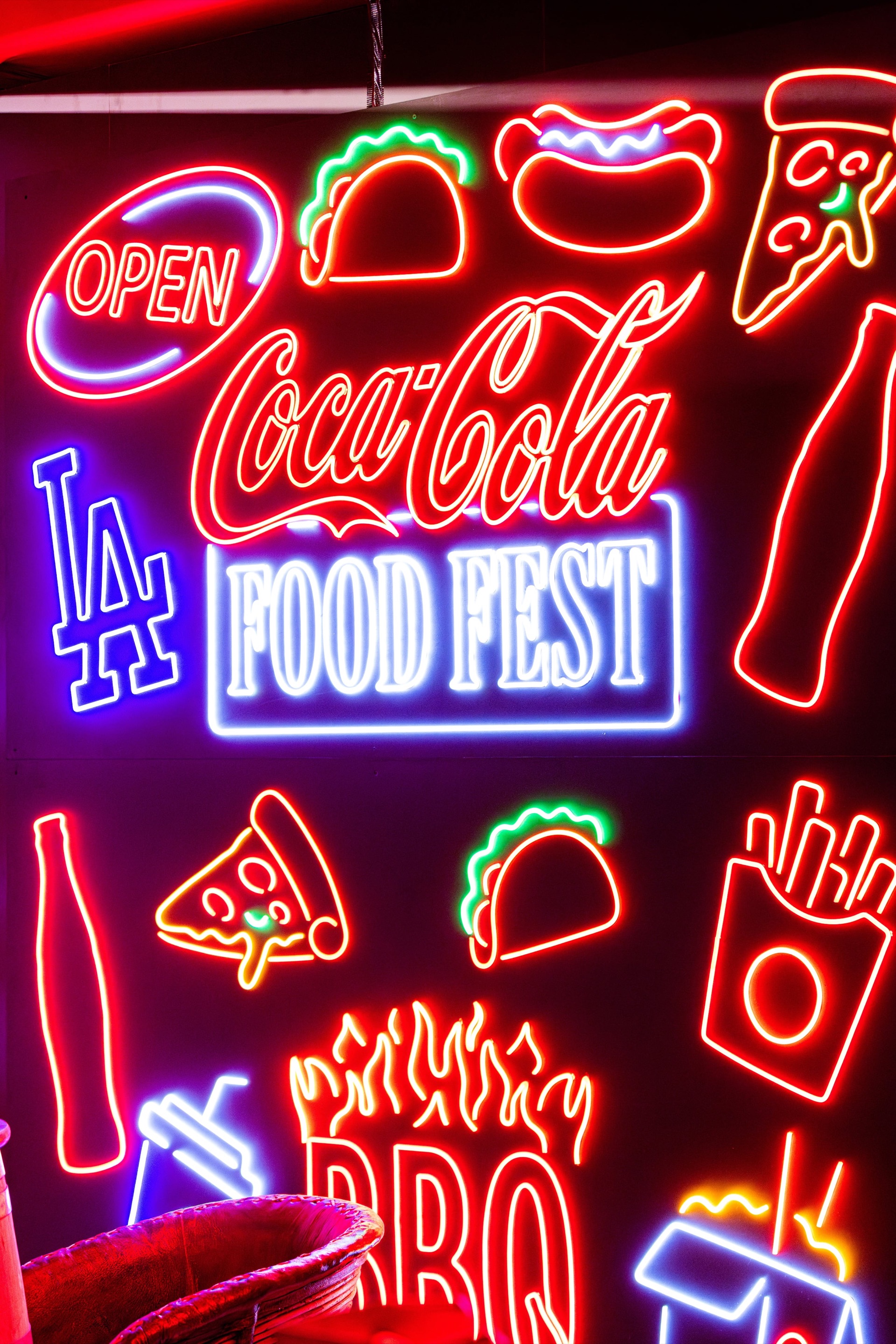
Festivals usually need both a photo set for recap galleries, press, and sponsor decks, and video for recap edits and social. Hiring separate photo and video vendors means two schedules, two sets of access requests, and two people to brief on the same set times. A single team covering both cuts that overhead in half and tends to produce a more consistent visual set, since the same crew is reading the same light and the same moments across both mediums.
It also means fewer bodies competing for the same tight spots in a photo pit or backstage hallway, which festival production managers generally prefer.
Tell us your stages, your set times, and your deadline, and we'll put together a crew and a quote that actually fits your festival day. Book a discovery call.
One team, full production, out of Los Angeles. Tell us about the project and we will map the right approach on a quick discovery call.
Book a discovery call