The short version
- A performance video captures you playing or singing, live or lip synced, on one or multiple cameras. A music video builds a concept, story, or visual world around the song.
- In the LA market, a solid performance video typically runs $2,000 to $10,000. A produced narrative or concept music video runs $10,000 to $50,000 or more depending on locations, cast, and shoot days.
- Performance videos turn around fast, often in days, which makes them strong for singles, teasers, and social cutdowns.
- Music videos take longer to plan and shoot but do more work for a song's identity, especially if you're trying to stand out on a crowded release week.
- Most artists don't have to choose only one. A lot of smart campaigns pair a fast performance video with a bigger concept video down the line.
The Short Answer
A performance video shows you performing the song, on a stage, in a studio, on a rooftop, wherever. The camera's job is to capture that performance and make it feel big. A music video is a separate creative production built around the song. It might include a narrative, a concept, wardrobe changes, locations, extras, or all of the above. The song plays underneath, but what's on screen isn't necessarily you playing an instrument.
Neither one is better. They answer different questions. A performance video answers "can this artist actually deliver live." A music video answers "what world does this song live in."
What a Performance Video Actually Is
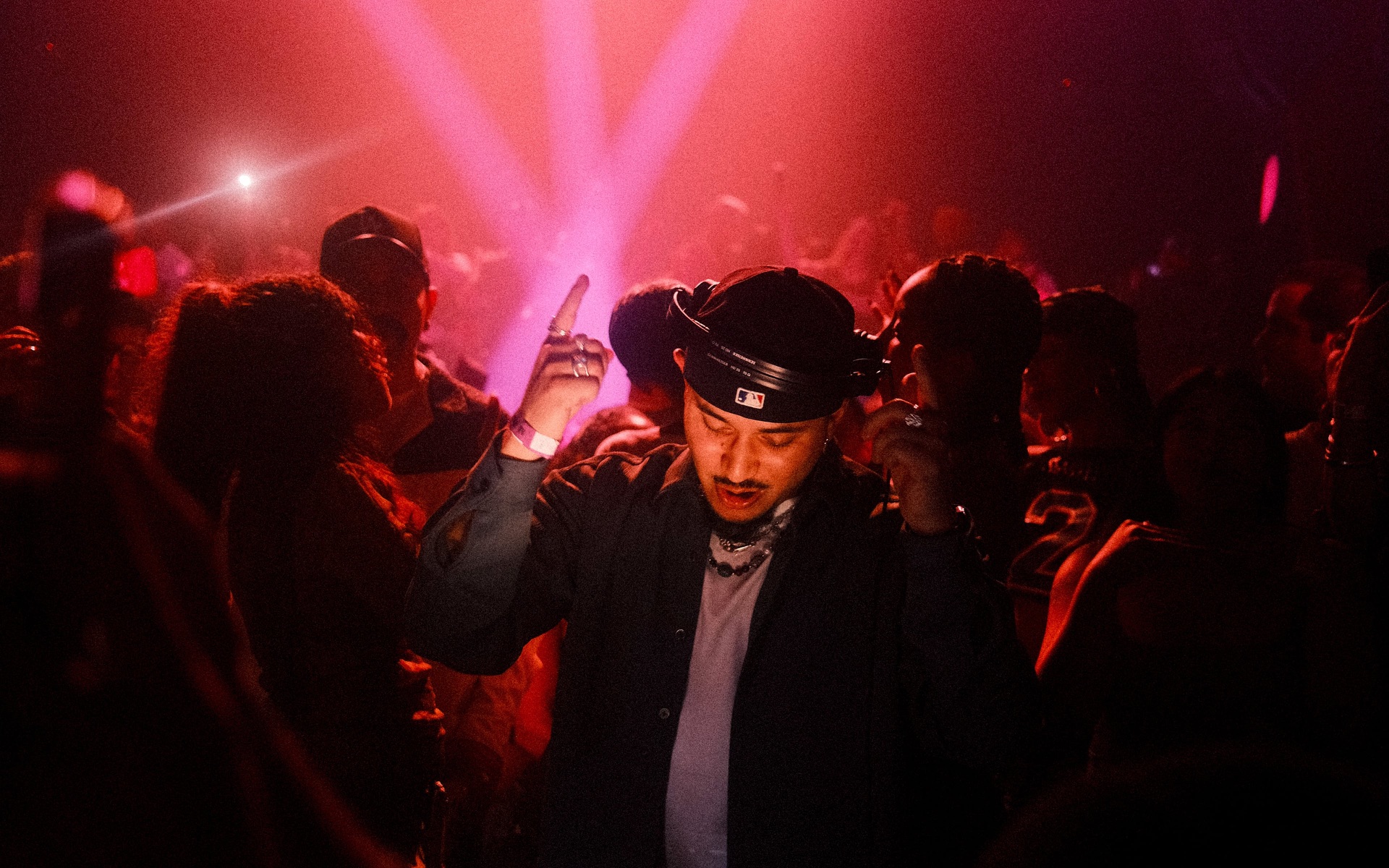
A performance video is built around a live or live-feeling take of the song. That can mean an actual show, a rehearsal space, a rooftop at golden hour, or a controlled studio set. The production variable that matters most is camera count. A single operated camera gets you something clean and usable. Multiple cameras, cutting between a wide, a couple of movement angles, and a tight closeup, is what gets you something that feels like a broadcast performance instead of a phone recording with better lighting.
- Best for singles that need coverage fast, before a release date locks in
- Best for artists who want the performance itself to carry the video, not a story
- Works well for acoustic sets, live band setups, DJ sets, and vocal-forward songs
- Usually a single shoot day, sometimes a few hours
This is also the format most likely to double as usable social content. Vertical cutdowns from a multi-camera performance shoot are some of the most efficient content an artist can walk away with in one session.
What a Music Video Actually Is
A music video is a production, full stop. It usually starts with a treatment, a written concept that lays out the story or visual idea before a single frame is shot. From there it can involve location scouting, wardrobe and styling, casting other performers or actors, and building out lighting and art direction that a straight performance shoot doesn't need.
There are a few common types of music videos worth knowing before you brief anyone:
- Performance video: the artist performing, live or lip synced, no narrative
- Narrative video: a story unfolds, sometimes with the artist in it, sometimes not
- Concept or visual video: no clear story, but a strong recurring visual idea or world
- Hybrid: performance segments cut against narrative or concept footage, which is the most common approach for mid-budget releases
A hybrid is often the smartest move for artists who want a music video that still shows them performing. It gives an editor more to cut between and covers you if one half of the shoot goes better than the other.
What Each One Costs in LA Right Now
Los Angeles runs 30 to 50 percent higher than mid-market cities because of crew rates, gear rental, and permitting. Here's a realistic range for 2026:
- Performance video: roughly $2,000 to $10,000. The low end covers a small crew, one or two cameras, and a single location you already have access to. The higher end covers a full multi-camera setup with a director, DP, and dedicated live-switch or heavy multicam edit.
- Music video (narrative or concept): roughly $10,000 to $50,000 for a professional independent production. That covers a director and DP as separate roles, a crew of six to twelve, proper lighting, one to two shoot days, wardrobe, and full post including color and sound design. Major label-tier videos with larger casts, VFX, or multiple locations run well past that.
A few things push either number up fast: permitted locations (FilmLA's base permit fee alone runs close to $1,000 before you've shot anything), multiple locations in one day, night shoots, cast or extras, wardrobe and styling, and anything requiring a second shoot day. Multi-camera coverage adds cost on the front end but usually saves money in the edit, since you're not stuck trying to make one angle carry an entire song.
These are honest market ranges, not a quote. Every project is different once you get into specifics, which is exactly what a discovery call is for.
Which One Fits Your Release
If you're dropping a single and need something up fast, a performance video is almost always the right call. It's a shorter timeline, a smaller budget, and it still gives you a strong centerpiece asset plus a stack of vertical cutdowns for the weeks around release.
If the song has a clear story, a strong visual hook, or you're trying to make a real statement with a release (an EP anchor, a lead single, a moment you want press or playlists to notice), a concept or narrative music video earns its higher price tag. It's the difference between a video that documents the song and one that becomes part of how people remember it.
A lot of artists don't actually have to pick just one path for a whole campaign. It's common to lead with a fast performance video around release day, then build a bigger concept video for a later single or a re-release push once there's data on which song is actually connecting.
What Actually Moves the Price
Once you're past the base format decision, a handful of variables do most of the work in either direction:
- Camera count: one operator versus a full multicam crew
- Locations: a single spot you can access for free versus permitted or dressed sets
- Cast: just the artist versus actors, dancers, or extras
- Shoot days: one day versus a two-day narrative build
- Turnaround: standard post-production versus a rushed same-week delivery
- Deliverables: one hero cut only, or a hero cut plus a set of vertical and square social cutdowns pulled from the same footage
That last one is worth planning for up front. Shooting once and cutting multiple formats out of the same footage is almost always cheaper than shooting the performance video and the social content separately.
How We Approach It
Our team shoots and edits both formats, which matters more than it sounds like. A crew that only does performance videos will lean you toward performance videos. A crew that only does narrative work will push you toward a full concept shoot even when a fast, clean performance capture is the smarter call for where your release actually is.
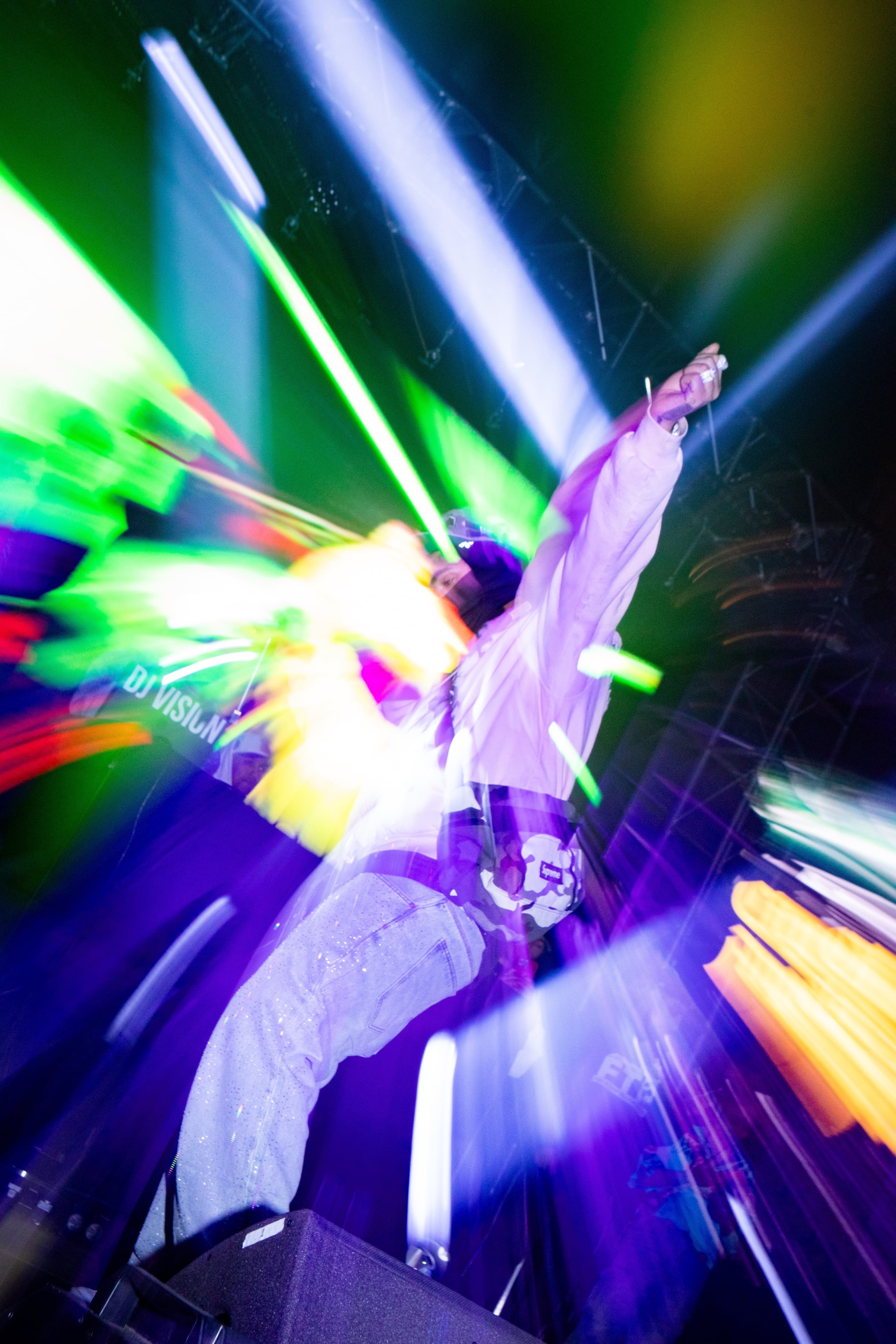
We run multi-camera on performance shoots as a default, not an upcharge, because a single static angle rarely does a live performance justice. And because photo and video sit under one roof here, an artist walking out of a performance shoot often leaves with stills for cover art or press alongside the video, without booking a second session.
Same-day and fast turnarounds are also just how the team operates day to day, which matters when a release date isn't moving no matter what the production timeline looks like.
Not sure which format fits your song? Book a discovery call and we'll map out the right approach and a real number for it.
One team, full production, out of Los Angeles. Tell us about the project and we will map the right approach on a quick discovery call.
Book a discovery call