The short version
- Start pre-production at least four to six weeks out. Complex concepts need eight or more.
- FilmLA permits now start at $350 under the 2026 Low Impact Pilot Program for crews under 30 shooting at up to three locations.
- Realistic LA budgets range from $2,000 to $6,000 for micro-budget and $8,000 to $25,000 for a proper indie production.
- Post-production is 25 to 35 percent of total cost. Budget for it before you book anything else.
- One crew covering photo and video simultaneously saves a full line item and keeps your press assets consistent.
Lock the Treatment Before You Book Anything
The most expensive mistake in music video planning is booking a location before you know what you are actually shooting. The treatment comes first. It is a one-to-two-page creative brief that defines the concept, the visual language, the tone, and how the images serve the song. Every downstream decision flows from it: crew size, gear list, location type, permit complexity, and post-production scope.
A strong treatment answers four questions clearly. What is the central image or feeling? Is there a narrative, a performance concept, or both? What does this look like in terms of color, light, and movement? What does a finished video actually feel like to watch? Directors often develop the treatment in collaboration with the artist. Some artists arrive with a fully formed vision. Others come in with a song and a mood. Either way, the treatment is locked before any location scout or crew call goes out. It is also the document that makes accurate budgeting possible, because scope lives in the details.
Artists who skip this step tend to discover the gap when they are already on set. A concept that sounds simple can require a large crew, specialty locations, or complex post-production work that was never priced. A strong treatment prevents that surprise.
Build the Right Crew for the Concept
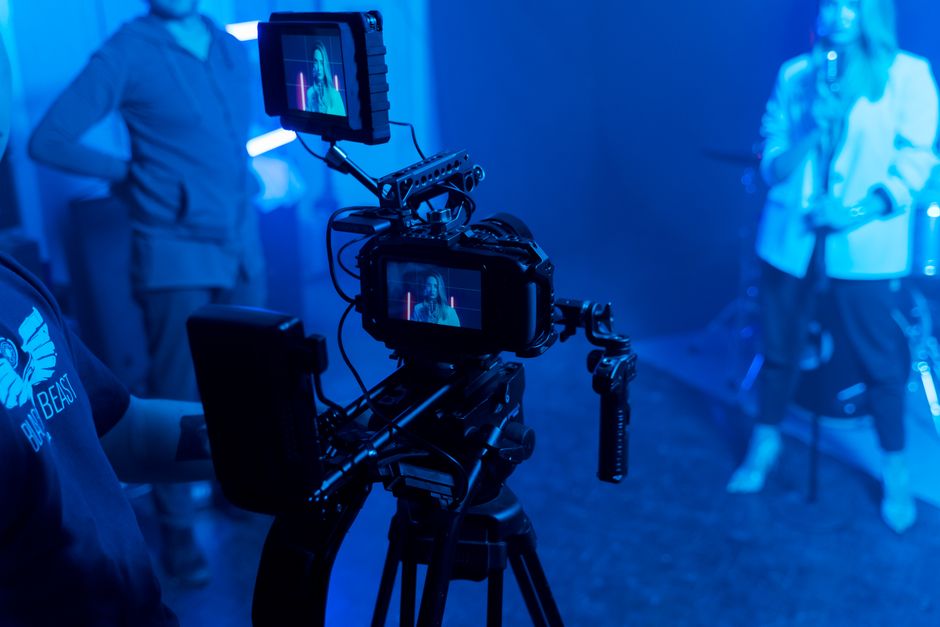
Music video pre-production in Los Angeles means working with a deep talent pool at rates that reflect the market. Here is what a professional indie build looks like and what each position costs in 2026:
- Director: $800 to $3,500 per day, depending on experience and reel
- Director of Photography (DP): $500 to $2,000 per day; camera and lighting design
- 1st Assistant Director (1st AD): $300 to $600 per day; runs the schedule and manages set flow
- Gaffer (lighting department head): $350 to $700 per day
- Stylist or wardrobe coordinator: $300 to $700 per day, more for specialty looks
- Hair and makeup: $300 to $600 per day per artist
- Production assistants: $150 to $250 per day each
A lean but professional crew of six to eight will run $4,000 to $10,000 per day in labor alone, before equipment, locations, or catering. LA rates carry a 30 to 50 percent premium over mid-market cities. That premium comes with real speed and problem-solving capability. Experienced LA crews work around obstacles on set without escalating to the director.
One detail worth planning around early: if you need still photography for press, playlist pitching, and promotional use, a photographer on set is either a separate hire or you find a production team that handles photo and video simultaneously. A unified crew means one setup, one permit, and no duplication of location costs. It also means the visual language stays consistent across every asset.
Location Scouting: What Los Angeles Actually Offers
Los Angeles offers more visual range per square mile than almost any other production market in the country. The challenge is not finding interesting locations. It is knowing what each type costs and what paperwork it triggers.
Studios and Cyclorama Spaces
Cyclorama studios in Hollywood, Burbank, and Culver City are the workhorses for performance-driven videos. Rates typically run $200 to $800 per day for a basic cyc, up to $1,500 for larger stages with house lighting rigs included. These spaces are permit-friendly and accustomed to music video production schedules.
Warehouses and Industrial Spaces
Vernon, Boyle Heights, and the downtown Arts District have an abundance of raw industrial spaces well-suited to high-contrast visual concepts. Day rates typically run $300 to $1,500, with larger footprints going higher.
Private Residences, Rooftops, and Unique Interiors
Platforms like Peerspace and Giggster list hundreds of private locations citywide, from craftsman interiors in Silver Lake to rooftops with downtown sight lines. Rates average $85 to $300 per hour, which translates to roughly $400 to $2,500 for a production half-day at most locations. Premium addresses and landmark properties run higher.
Exterior and Natural Locations
The desert corridors north of the city, the coastline, and LA's street-level architecture all expand your visual options significantly. These typically require FilmLA permits and additional logistics planning for crew parking and equipment access.
Every location carries two budget lines: the rental fee and the insurance or permit requirement. Most venues require a certificate of production insurance before confirming a booking.
Film Permits in Los Angeles: What You Need and When
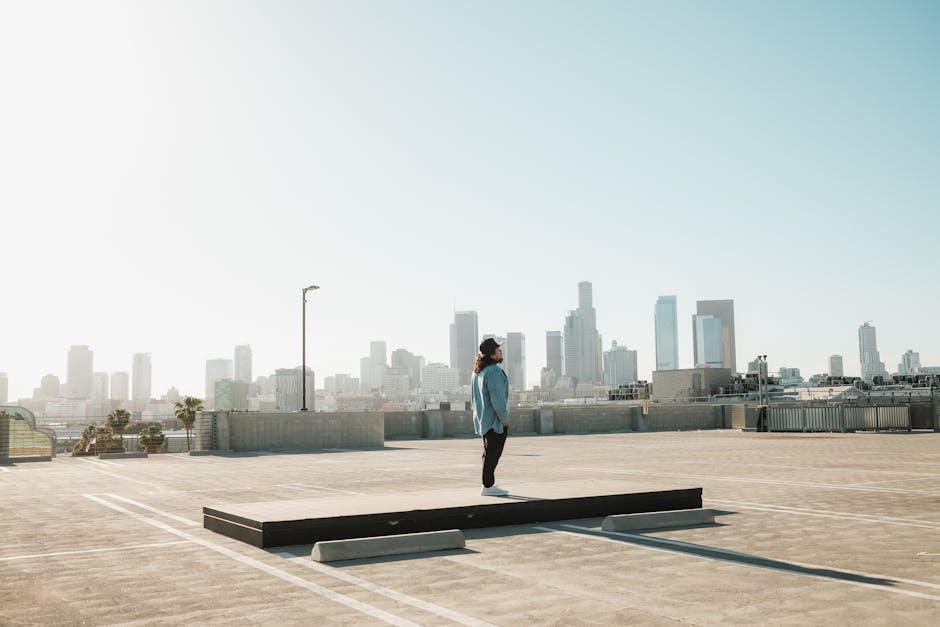
Any shoot on city-owned property in Los Angeles requires a permit through FilmLA, the city's official film office. This covers streets, sidewalks, parks, public plazas, and any other municipal space. The standard FilmLA application fee is $931.
In April 2026, FilmLA launched a Low Impact Permit Pilot Program in partnership with the City of Los Angeles. If your crew is under 30 people and your shoot covers no more than three consecutive days across no more than three locations, the application fee drops to $350, with per-location notification fees of $156 instead of the standard $250. For most independent music video shoots, this program qualifies and delivers roughly 58 percent in savings compared to a standard tier permit.
Private property shoots do not require a city permit, but the venue will almost always require proof of production insurance before confirming a booking. Budget $200 to $500 for a short-term production policy if you are not already covered under a production company's umbrella.
Plan a minimum of three weeks for permit processing. Rushing permits adds cost and narrows your location options quickly. Permit logistics are one of the most consistently underestimated variables in music video pre-production planning.
Realistic Budget Ranges for LA Music Videos in 2026
Budget conversations almost always start too low. The number that matters is total production cost across all three phases: pre-production, the shoot, and post. Here is what each tier looks like in the current LA market.
Micro-Budget ($2,000 to $6,000 total)
Two to four crew, a single shoot day, minimal or no location rental, no formal permits required, basic editorial and color in post. The ceiling on visual quality is real, but strong creative direction and good natural light can achieve a lot at this tier. Works best for performance-driven single-location concepts.
Indie Professional ($8,000 to $25,000 total)
Six to ten crew, one to two shoot days, proper locations with permits, full post-production including a color grade and audio-synced delivery. This is the range where the video looks like the song deserves it. Most independent artists releasing on DSPs and pitching for playlist consideration are working here.
Fully Produced ($25,000 to $75,000+)
Twelve or more crew, multiple locations or a built set, detailed production design, complex lighting, and motion graphics or VFX in post. Labels and well-funded independent artists operate at this level.
What moves the number most: additional shoot days (each adds $5,000 to $20,000 in crew and gear), location count, production design and set dressing, and post complexity. Set aside 10 to 15 percent of total budget as contingency. Something will change on shoot day. That buffer is what allows you to adapt without compromising the final product.
How a Tight Shoot Day Actually Runs
A music video shoot day is typically ten to twelve hours. The 1st AD runs it from a call sheet: every setup, location change, talent call time, and hard out mapped the night before and distributed to the full crew. Without a call sheet you have a vague intention, not a production plan. Without an AD enforcing it, you lose light, burn overtime, and miss shots.
On set, the director and DP drive the creative. The 1st AD drives the clock. The producer watches the budget in real time. These three people communicating clearly separate shoots that finish on schedule from ones that run over and need costly additional days.
Practical budget lines that get underestimated in music video pre-production planning:
- Catering and craft services: $15 to $25 per person per meal; a crew of eight for a full day means at least $300 to $500 in food
- Camera package: $500 to $2,500 per day depending on camera system and lens selection
- Lighting package: $500 to $3,000 per day for a professional rig
- Generator rental (exterior or warehouse locations): $250 to $600 per day
If same-day social content is part of your rollout, that is a separate deliverable. It requires a dedicated editing pipeline running in parallel with the shoot, not a late-night scramble after the crew wraps. Plan for it from the start or it will not happen well.
Post-Production: The Phase Artists Always Underbudget
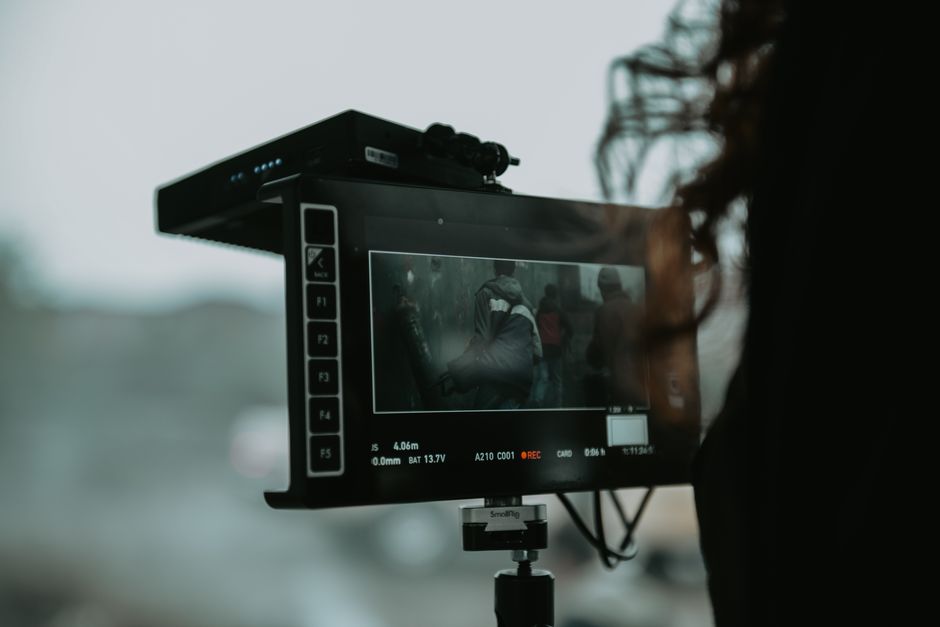
Shooting is not finishing. Post-production is where the work becomes the work, and it is consistently the phase artists underestimate when scoping a project.
Plan for post to represent 25 to 35 percent of total spend. On a $15,000 production, that is $4,000 to $5,000 for editing, color grading, and delivery. The cleaner your shoot, the faster and cheaper your post. Strong pre-production reduces post costs directly. A polished grade from clean, consistent footage takes half the session time of a salvage job.
What post for a professional music video typically covers:
- Editorial (assembly, rough cut, and revisions): $500 to $2,000 for a standard cut with two revision rounds
- Color grade: $500 to $2,500 depending on the colorist and session complexity
- Motion graphics, titles, or end cards: $300 to $1,500 for clean typographic work, more for custom animation
- VFX or compositing: $1,000 to $5,000 and up depending on shot count
- Final delivery: streaming master, YouTube-optimized file, and social cuts
One delivery asset that becomes an afterthought too often: a short-form social cut and a behind-the-scenes reel for earned media. If these are part of your rollout plan, specify them in post before the editor closes the project. Reopening a completed edit to carve out a 30-second version costs more than building it into the original timeline.
Ready to scope your project? Book a discovery call and we will walk through concept, timeline, and budget together.
One team, full production, out of Los Angeles. Tell us about the project and we will map the right approach on a quick discovery call.
Book a discovery call