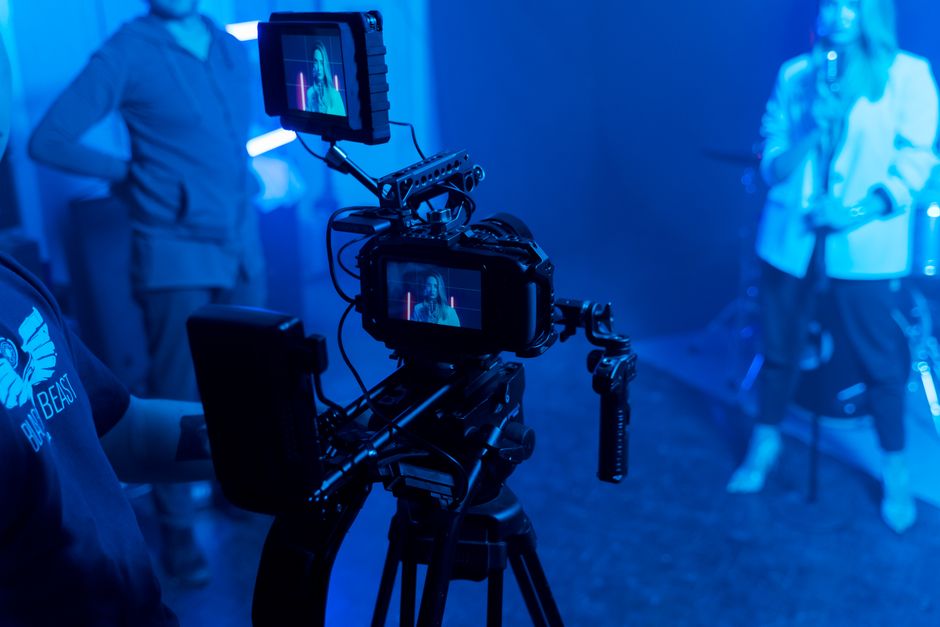
The short version
- Most professional music videos in Los Angeles take three to five weeks from first call to final file.
- Pre-production, concept, scouting, permits, is where timelines slip most often, not the shoot itself.
- A one-location performance video can be delivered in ten to fourteen days with a prepared artist and locked concept.
- Post-production typically runs five to fifteen business days; visual effects push it considerably longer.
- The single fastest thing an artist can do is arrive at the first meeting with a clear creative direction and reference videos.
The Real Music Video Timeline: Three to Five Weeks for Most Projects
The honest answer to how long a music video takes to make is three to five weeks for a professional result in Los Angeles. That window covers concept development, a one to two day shoot, editing, color grade, and the revision back-and-forth before final delivery. Complex narrative videos, multi-location shoots, or anything with significant visual effects can stretch that to eight to ten weeks.
A realistic phase breakdown for the standard music video timeline looks like this:
- Pre-production: seven to fourteen days
- Shoot day(s): one to three days on set
- Post-production edit and color: five to fifteen business days
- Revisions and final delivery: three to seven days
Those ranges reflect current 2026 Los Angeles production norms with a professional crew. The further a concept moves from a focused single-location performance piece, the longer pre-production stretches and the deeper post-production runs.
Pre-Production: Where the Music Video Timeline Is Made or Broken
Pre-production is the phase most artists underestimate, and it is where the majority of timeline problems originate. This is not just booking a shoot day. It is the period when every decision that saves time and money on set gets made: the creative treatment, storyboards, location scouting, talent casting, wardrobe, props, and permits.
For a focused single-location performance video, pre-production can move in five to seven days if the artist arrives at the first meeting with a clear concept and reference videos. For a narrative piece with multiple locations, supporting cast, or detailed costume and set work, plan for two full weeks minimum.
Permits are the variable most artists do not account for. FilmLA manages location permits for the City of Los Angeles, and standard processing requires a minimum of three full business days before the first shoot date. San Fernando requires five. Glendale runs four to six. Any shoot involving public streets, city parks, or Los Angeles beaches adds coordination time on top of that. Book your location before you lock the shoot date, not after.
The single fastest thing an artist can do to compress the entire music video turnaround is to walk into the first production meeting with a locked tone, three to five reference videos, and a preferred location already in mind. That preparation alone can cut pre-production from two weeks to five days.
The Shoot: One Day or Three?
Most professional music videos are captured in one to two shoot days. A tight single-location performance piece with a focused crew can cover everything needed in one long production day. Multi-location narrative videos typically need two to three days, sometimes spread across consecutive shooting days at nearby locations.
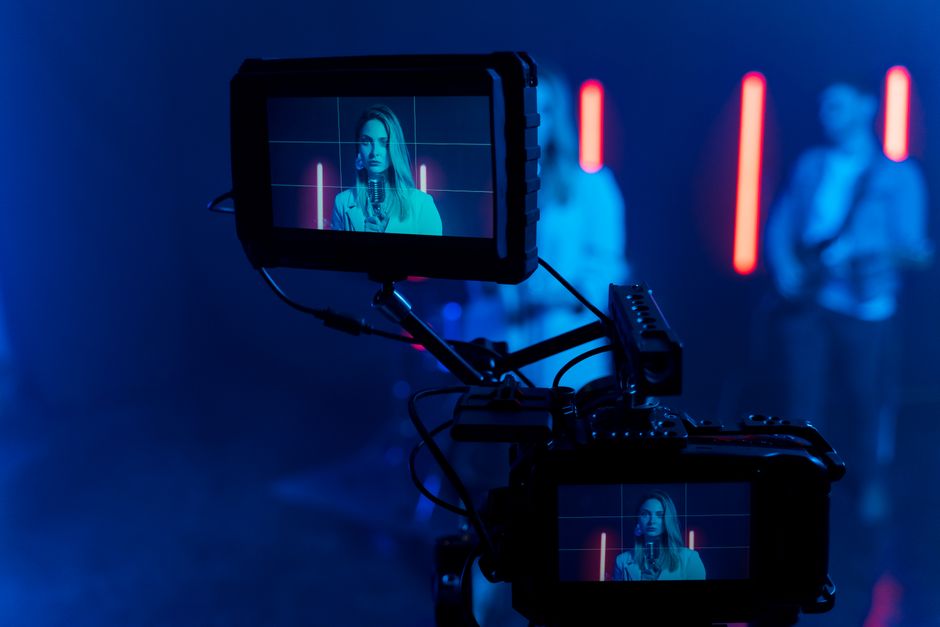
Running a multi-camera setup compresses shoot time meaningfully. Covering the same performance from two or three angles simultaneously means fewer lighting resets, fewer takes for coverage, and more footage per hour on set. For artists working against a release calendar, that efficiency matters more than it might seem on paper.
What consistently extends a shoot day is not the talent. It is logistics: company moves between locations, lighting rebuilds that were not mapped in pre-production, wardrobe adjustments that were not finalized in advance, and unprepared set elements. Every hour on a professional Los Angeles set carries real cost, so a tight shot list built before anyone loads the truck is the most valuable document in the production.
Post-Production: Edit, Color, and What Takes the Most Time
Post-production on a professional music video runs five to fifteen business days in Los Angeles, depending on cut complexity and how many revision rounds are defined in the agreement. The standard workflow runs like this: an assembly cut comes back within three to five days of the wrap. The artist reviews and sends notes. A refined cut follows in two to three days. Color grade, sound finishing, and any motion graphics or title cards add two to five days beyond that.
Visual effects are a different category entirely. Simple compositing or cleanup work adds a few days to the schedule. Shot-by-shot VFX or complex motion design can add two to four weeks to the post-production phase on their own. If visual effects are central to the concept, that scope needs to be explicit in the production agreement before the shoot happens.
Final delivery typically includes a 4K or 1080p master file plus platform crops: a square version for Instagram feed, a vertical cut for Reels and TikTok if the agreement includes it. Clarifying those deliverables before post begins saves a negotiation at the finish line.
What Actually Kills a Music Video Turnaround
Most blown timelines come down to a short list of repeatable causes. Understanding them before a project begins is the best insurance against missing a release date.
- Unlocked creative direction. When the treatment is not agreed upon before pre-production starts, the team revisits decisions at every phase. That churn costs days that were never budgeted.
- Late permit pulls. Booking a location before confirming permit processing time is common and consistently painful. FilmLA processing, location availability, and the budget for permit fees all need to align before a shoot date is confirmed on the calendar.
- Scope creep in revisions. Most production agreements include two rounds of revisions. Requests that change the fundamental structure of the edit after a cut has been approved effectively restart the post-production clock.
- Unprepared wardrobe and styling. An artist who arrives on set without confirmed wardrobe, or who needs hair and makeup time that was not built into the call sheet, compresses the shooting window immediately.
- Slow approvals. On independent projects the artist is often both the decision-maker and the performer. Delays in approving cuts, color, or finals can add a week to a project that was otherwise tracking on schedule.
Fast-Track Production: What You Trade and What You Keep
A music video can be turned around in ten to fourteen days in Los Angeles. That is a real, achievable number with the right conditions: a clear concept from day one, a single location with a short permit window or a private property that does not require city coordination, a one-day shoot, and a post-production pass with defined revision rounds.
What a fast-track production trades is optionality. Fewer location choices, less elaborate lighting design, and a post pass that runs efficiently rather than exploratively. That is not a knock on the outcome. A well-executed single-location performance video often carries more visual impact than a scattered multi-location concept shot under time pressure.
The artists who get the most from fast-track production treat the compressed timeline as a creative constraint rather than a limitation. Lock the look, lock the location, and give the crew room to execute cleanly within that frame. The tighter the parameters, the more intentional everything on screen tends to feel.
Budgeting Alongside Your Music Video Timeline in Los Angeles
Timeline and budget are inseparable. Every phase of production has a cost, and understanding where the money goes helps artists make smarter decisions about where to concentrate it.
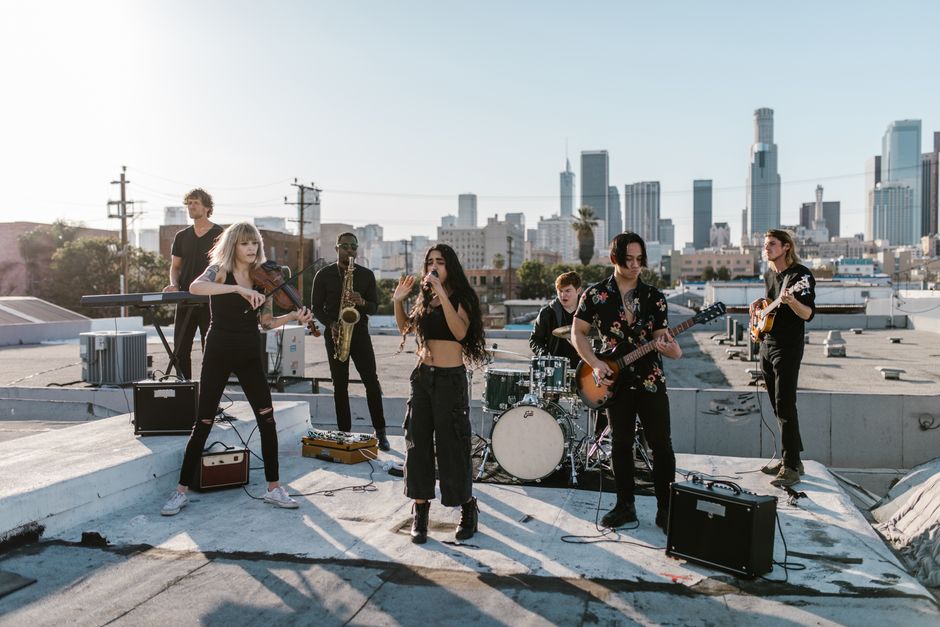
In Los Angeles in 2026, a professionally produced music video runs from roughly $5,000 to $15,000 for a focused one-location shoot with a lean crew, through $15,000 to $40,000 for multi-location productions with full department head coverage, and well beyond that for concept-driven work involving significant set design, a large supporting cast, or visual effects.
The line items that move the number most in LA:
- Location and permits. Studio rental runs $500 to $2,500 per day depending on size and amenities. Exterior locations with FilmLA permits, security requirements, and location fees can add $1,000 to $3,000 before crew loads in.
- Crew depth. A lean crew of four to six covers the shoot efficiently. Adding full department heads, art director, wardrobe stylist, dedicated gaffer and grip, increases production value and extends the day-rate stack.
- Post-production scope. Color grade, motion graphics, and social platform crops each carry their own rate. Knowing what you need before the contract is signed prevents cost surprises at delivery.
One way to stretch a music video budget without adding a production day: working with a team that handles both photo and video coverage in the same setup. The same crew and lighting build that captures the video can yield press photography and social content without the cost of a second shoot.
Tell us your release date and concept and we will build the timeline back from there on a discovery call.
One team, full production, out of Los Angeles. Tell us about the project and we will map the right approach on a quick discovery call.
Book a discovery call