The short version
- Crew labor typically eats 40 to 60 percent of a music video budget before a single light is turned on.
- A properly equipped single shoot day in LA runs $4,000 to $10,000 in crew and gear alone, before location and post.
- Post-production on a finished music video adds another $3,000 to $12,000 depending on complexity and turnaround speed.
- Location costs in Los Angeles range from $350 for a FilmLA low-impact permit to $5,000 or more for a full-day private venue.
- Art department and wardrobe are the line items most first-time budgets cut too deep, and the camera always shows it.
What a Music Video Budget Is Actually Paying For
The confusion around music video cost usually starts with a number that has no context. Someone hears $20,000 and thinks it sounds like a lot. Someone else hears $5,000 and thinks it sounds reasonable. Neither reaction tells you anything useful because neither one accounts for what that number has to cover.
A music video budget is really five separate budgets stacked together: crew labor, equipment rental, location and permits, art department and wardrobe, and post-production. Each of these has a market rate in Los Angeles. Each one scales with what the concept demands. When you understand the five buckets and what fills each one, a music video cost breakdown stops being a mystery and starts being a planning tool.
In 2026, the LA market broadly sorts into three working tiers. Lean productions run $5,000 to $15,000 and require a concept specifically engineered around those constraints. Mid-range productions from $15,000 to $50,000 give you a real crew, real locations, and a finished deliverable that holds up on large screens. Productions above $50,000 open up multiple shoot days, multiple locations, and substantive post work. The sections below follow the money through each bucket so you can read any budget with clear eyes.
Crew: The Largest Line Item Before Any Gear Leaves the Truck
Crew labor is where the majority of a music video budget goes in Los Angeles. The city concentrates a deep pool of working production professionals, and their day rates reflect both that expertise and the cost of operating here. For non-union crew on a music video in 2026, expect to pay in the range of $800 to $1,800 per day for a director of photography, $400 to $700 for a gaffer or key grip, $400 to $650 for a first camera assistant, $350 to $600 for a hair and makeup artist, and $150 to $250 for a production assistant.
A lean but functional four-person crew for a single shoot day runs $2,000 to $4,500 in labor alone before a single piece of gear is rented. A six-person crew with dedicated departments adds another $1,000 to $2,500 on top of that.
Director fees are a separate line. On music videos, emerging directors often work at a day rate in the $500 to $1,200 range. More experienced directors may take 10 to 15 percent of the total budget. Either way, the director is the person translating the concept into something watchable, and that cost is not a luxury item.
Teams that handle photo and video under one roof carry a structural advantage here. One coordinated unit means one briefing, one set of logistics, and no gap between what the stills crew and the video crew are building toward.
Equipment: Camera, Lighting, and Grip
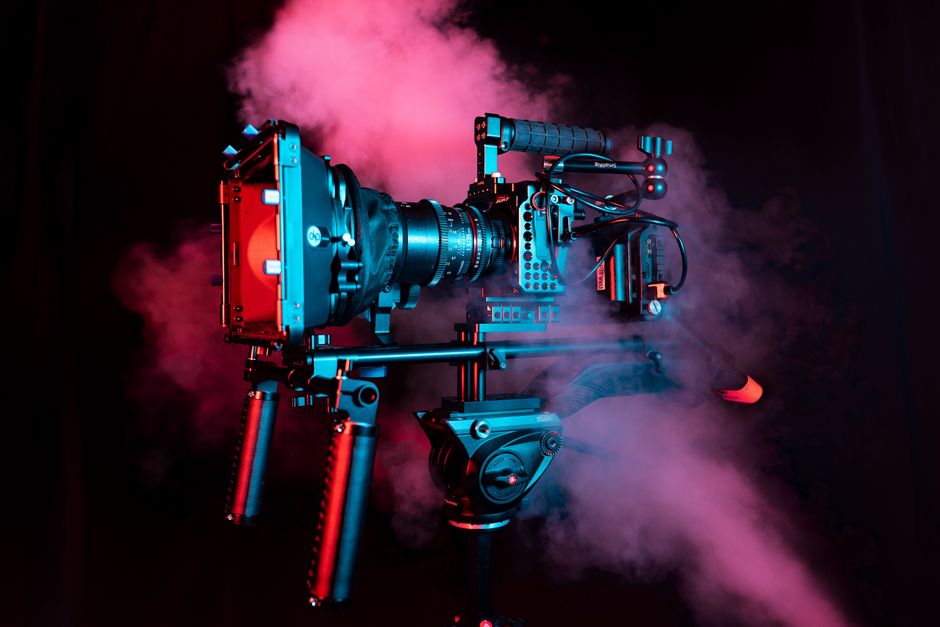
Gear costs depend on what the concept demands and how your DP works. A cinema camera package rents for $500 to $1,500 per day from an LA rental house. That range covers everything from a capable mirrorless cinema body up to an ARRI Alexa Mini or similar. Lenses are a separate line, typically $200 to $600 per day for a quality prime or zoom package. A proper lighting and grip setup, enough to control an interior environment and add dimension to most setups, adds another $400 to $1,200 per day.
Together, a well-equipped single-day music video shoots with $1,200 to $3,500 worth of gear on the truck.
- Cinema camera body: $500 to $1,500/day
- Lens package: $200 to $600/day
- Lighting and grip package: $400 to $1,200/day
Some DPs work as owner-operators and bring their own camera. This can reduce your gear line, but confirm the full package before you close the deal. The savings on a body rental can disappear fast if you end up renting lenses or lighting to supplement an underpowered kit.
Multi-camera setups for live performance coverage or complex choreography add a second body and often a second operator, which compounds both gear and crew costs. For performance-heavy concepts, the additional camera often pays for itself in coverage options during the edit.
Locations: Permits, Venues, and the Costs Nobody Mentions Upfront
Location costs in Los Angeles have two components that do not always surface together in early budget conversations: the permit and the venue itself.
FilmLA, the city's film office, charges a standard application fee of $931 for most productions, covering up to five locations over seven consecutive days. As of early 2026, FilmLA launched a low-impact permit program that reduces that fee to $350 for smaller productions with up to 15 cast and crew. That program is worth knowing about if your production is lean. Either way, any shoot on public property in Los Angeles requires a permit, and that fee does not include fire safety officers, parking control officers, or location monitors that certain permits require as additional line items.
Private venues are a separate cost. Creative spaces, warehouses, lofts, rooftops, and production studios across Los Angeles average $75 to $300 per hour for production use. A full shoot day at a well-configured creative space typically runs $1,000 to $5,000 depending on the property, the day of week, and what the venue includes in the rate. High-demand properties in Downtown, the Arts District, or Culver City trend toward the upper end of that range.
Every location you add to a single shoot day compounds the math: additional permits, travel between locations, separate load-in and load-out, and the very real risk of running behind on one that bleeds into the next. Locations are one of the clearest places where a tight concept saves real money.
Art Department and Wardrobe: The Section Most Budgets Cut Too Deep
Art department and wardrobe are where music video budgets most often fail quietly. They are easy to cut on paper, and the consequences show up on screen in ways that are hard to explain and impossible to fix in post.
A working art director in the LA market charges $400 to $800 per day. A wardrobe stylist runs $350 to $650 per day, not counting the clothing itself. Wardrobe pulls from rental houses, purchased pieces, or a combination of both, and a concept with multiple looks or strong visual identity can add $500 to $2,000 in wardrobe spend on top of the stylist's rate. Prop and set dressing budgets range from $200 for minimal controlled setups to several thousand for built or heavily dressed environments.
A great director of photography cannot rescue a frame with the wrong palette, the wrong wardrobe, or a background that was not controlled. What a skilled art director and stylist do is make the image feel intentional. That is one of the highest-leverage places to put money on a mid-range production, and one of the first places a first-time budget tries to save. The resulting videos look the same way.
Post-Production: Where the Video Actually Gets Made
Post-production is where all the raw material from shoot day either pays off or does not. A common mistake in music video budgets is treating it as a finishing cost rather than a production cost. The edit is where the performance gets shaped, the story gets paced, and the concept becomes something a viewer experiences rather than something a crew assembled.
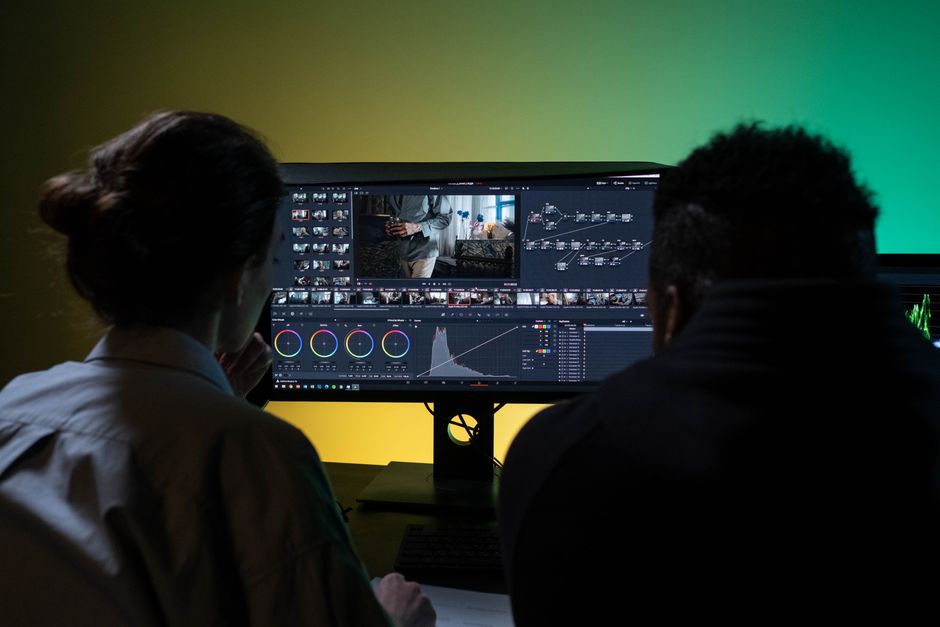
A qualified editor in Los Angeles charges $500 to $1,500 per day. Most music video edits require two to five days of work including revision rounds, which puts editing at $1,500 to $7,500 for the majority of projects. Color grading is a separate discipline. A professional color grade from an experienced colorist runs $800 to $3,000 depending on the length of the video, the number of deliverables, and the complexity of the grade. A video shot across multiple lighting environments, or one with significant VFX work, will land toward the top of that range.
- Editing: $1,500 to $7,500
- Color grading: $800 to $3,000
- Sound cleanup and mix: $200 to $800
- Motion graphics or VFX: $500 to $5,000 per element
Total post-production on a properly finished music video in Los Angeles runs $3,000 to $12,000 for most projects. Same-day social content cut from the shoot day carries a premium because it requires a dedicated editor on set or a very fast remote handoff on a locked workflow. That turnaround capability is real and worth paying for if release timing is part of the strategy.
What Each Budget Tier Realistically Gets You
The difference between budget tiers is not only quality. It is what you can attempt in the first place. This is the most useful thing a music video cost breakdown can tell you.
$5,000 to $15,000
One location. One shoot day. Three to five crew. A DP who likely owns their own camera package. Practical or minimal lighting. A focused post pass. This tier works, but it requires a concept specifically engineered for these constraints. Execution carries enormous weight because there is no budget to fix problems in post.
$15,000 to $40,000
This is where a production starts to function like a production. A dedicated DP and gaffer, a real art department presence, one or two locations with proper prep time, and a full post-production pass including professional color. Most independent artists releasing music at a serious level should plan in this range. The resulting video can hold up in a pitch, a press release, and on a large screen.
$40,000 to $100,000
Multiple shoot days or locations become realistic. You can build something, travel somewhere, or sustain a more ambitious concept across more screen time. Post includes a professional colorist, potentially motion graphics, and deliverables formatted for multiple platforms.
Above $100,000
Full production infrastructure: location scouts, large crew departments, multiple camera packages, elaborate wardrobe, possibly commissioned set builds, and post-production that can run several weeks. This is the tier most label-funded releases operate in.
Whatever tier fits your project, the most valuable thing you can do before any gear is reserved is build a line-by-line budget with real market numbers attached to a specific concept. A music video budget breakdown built before shoot day protects you. The one built after surprises appear on set does not.
Tell us what you are trying to make and what you have to spend, and we will build a real plan around both on a discovery call.
One team, full production, out of Los Angeles. Tell us about the project and we will map the right approach on a quick discovery call.
Book a discovery call