The short version
- A complete brand event shot list has five buckets: setup and details, branding, candids, talent and speakers, and the wide room shot
- Most missed category is branding in context, logo visible in a real moment, not a standalone logo photo
- LA market rates for brand event photography run roughly $250 to $500 per hour or $1,500 to $4,500 for a half to full day
- Booking one team for photo and video instead of two vendors cuts coordination time and gets you a matched visual set
- Same-day or next-day turnaround on a hero gallery is now standard ask, not a premium extra, for anyone posting during the event window
Why a shot list matters more than a good photographer
Talent alone does not guarantee coverage. A photographer with a great eye who is winging it will come back with a hundred beautiful candids and no branding shot you can actually put in a deck, a press release, or a paid ad. The brief is what turns a photographer into a documentation system for your event.
Every brand event photography shot list exists to answer one question after the fact: can marketing, sales, and comms each pull what they need from this gallery without asking for a reshoot that will never happen because the event is over. That means covering five distinct jobs in one pass, not just one.
The teams that do this well treat the shot list as a production document, reviewed before doors open, not a mental checklist a photographer keeps in their head between cocktail hours.
Bucket one: setup and detail shots
Shoot the room before it fills. This is the window most events waste, usually because the photographer is still setting up gear instead of already working. Detail shots are what makes a recap post or after-event gallery feel considered instead of thrown together.
- Empty venue wide shot, before guests arrive, showing the full room design
- Signage, step and repeat, welcome table, name badges laid out
- Product on display, styled, before hands touch it
- Centerpieces, table settings, swag bags, gift bags
- Menu cards, custom cocktails, branded glassware
- Any custom build: stage set, activation booth, photo backdrop
These shots run first on the schedule because they are the only ones with a closing window. Once the first guest walks in, that clean empty-room shot is gone for good.
Bucket two: branding in context
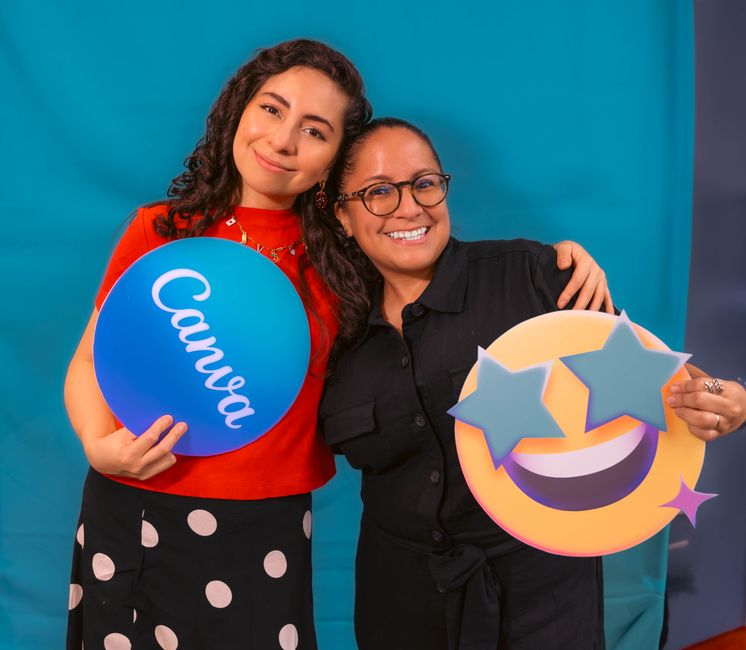
This is the category clients ask for after the fact and regret not specifying beforehand. A standalone photo of a logo on a step and repeat is fine for an archive, but it is not what a brand team actually reaches for. What gets used is the logo visible in a real moment: a guest laughing in front of the backdrop, a bartender pouring in front of branded signage, a speaker at a podium with the logo panel behind them in frame.
Ask the photographer to keep branding elements in frame throughout the event, not as a separate task at the end. That means positioning for candids and detail shots with an eye on where the logo sits in the background the whole time, not shooting clean candids and hoping branding snuck in.
- Logo or brand wall in frame behind natural candid moments
- Product actively being used, held, or tasted by a real guest
- Branded signage doing its job: directing traffic, marking a bar, framing a photo moment
- Sponsor logos, if any, each getting at least one usable in-context frame
Bucket three: candids that show energy, not just faces
Candid coverage is where most brand events already get decent results, but there is a difference between a photographer working the room and one parked near the bar. Real candid coverage means moving through every zone of the event: entrance, main floor, bar, food, any breakout or activation area, and back again, on a loop for the length of the event.
- Arrivals and check-in, first impressions
- Guests in conversation, genuine reactions, not posed group shots
- Reactions during any performance, announcement, or activation
- Bar and food moments, since these are consistently the highest-engagement content later
- Group and friend photos guests actually want tagged
Multi-camera coverage matters here in the same way it matters on video. One shooter working a single angle for three hours produces a repetitive gallery. A second shooter covering the opposite side of the room, or working stills alongside a videographer already capturing multi-cam footage, is what actually varies the final set.
Bucket four: talent, speakers, and leadership
If there is a keynote, panel, performer, or executive on site, this bucket needs its own mini shot list, because it is the coverage most likely to end up in a press kit or a LinkedIn post from the CEO's own account.
- Clean headshot-style frame of each speaker or talent, early, before hair and makeup fades
- Full-body shot on stage or in the activation they are hosting
- Candid interaction between talent and guests, meet and greet style
- Handoffs: award presentations, ribbon cuttings, check presentations
- Any moment where talent is holding or using the brand's product
Confirm names and correct title spellings for anyone being formally photographed before the event starts. This sounds obvious and it is the single most common post-event fire drill.
Bucket five: the wide room shot and the closer
Every event needs at least one wide shot that answers the question a future sponsor or investor will ask: how many people actually came, and did it feel alive. This is usually shot from an elevated position, a mezzanine, a stage, or a ladder, during the fullest point of the night.
Pair that with a closing shot, breakdown, last guests leaving, staff striking the set, or the team behind the scenes. These almost never make the highlight gallery but they round out a behind-the-scenes recap post extremely well, and they cost nothing extra since the crew is already packing up.
What this actually costs in the LA market
Brand event photography in Los Angeles typically runs in the range of $250 to $500 per hour for an experienced shooter, or as a package, roughly $1,500 to $2,500 for a half day (about four hours) and $2,500 to $4,500 for a full day. Smaller activations with a single shooter and a short window can land under that, while multi-hour events with a second shooter, a dedicated talent photographer, or same-day turnaround sit at the top of the range.
What actually moves the number:
- Number of shooters. One shooter covers candids and details fine for a smaller guest list; anything over roughly 150 guests or with a stage program benefits from a second angle
- Turnaround speed. A standard multi-day edit and delivery window costs less than a same-day highlight gallery pulled for same-night posting
- Length of coverage. Hourly makes sense under four hours; day-rate packages get more efficient past that
- Whether photo is bundled with video. Running one crew across both instead of hiring two separate vendors usually comes in under booking each separately, and it guarantees the still frames and the video match tone
These are honest market ranges to budget against, not a quote. Every event has a different footprint, and the fastest way to get an exact number is a short discovery call.
Send us your event details and we will map the shot list, the crew, and a real number on a quick discovery call.
One team, full production, out of Los Angeles. Tell us about the project and we will map the right approach on a quick discovery call.
Book a discovery call