
The short version
- Established LA corporate event photographers charge $250 to $500 per hour. Half-day packages (4 hours) run $1,300 to $2,500; full-day coverage lands between $2,500 and $4,500.
- Same-day delivery adds 25 to 50 percent to the base rate. For events with a social or PR component, that premium nearly always earns back its cost.
- Multi-photographer teams start around $3,500 and scale by coverage scope. Required for multi-track conferences or events with concurrent activations.
- Commercial usage rights must be spelled out in every contract before you sign. Confirm you own the images for unrestricted marketing use.
- Major LA venues carry their own logistics. The LA Convention Center has credentialing and credit requirements; outdoor city locations require a FilmLA permit.
What LA Corporate Event Photographers Charge in 2026
Most buyers get a quote before they understand the market. That puts them at a disadvantage. Here are the real numbers for Los Angeles in 2026.
- Hourly rate: $250 to $500 for an established professional. Junior photographers work below that range; niche specialists with a strong editorial or brand client list work above it.
- Half-day package (4 hours): $1,300 to $2,500
- Full-day package (8 hours): $2,500 to $4,500
- Multi-photographer team: $3,500 and up, scaling by team size and coverage duration
- Same-day delivery premium: 25 to 50 percent above the base package rate
These are active market ranges drawn from real Los Angeles corporate photographers, not averages padded by national data. Your specific number will land based on the photographer's experience tier, how many edited images are included in the deliverable, and how fast you need files in hand. A bare-bones quote and a full-service package can both call themselves a half-day rate and differ by $800 or more.
Half-Day vs. Full-Day: How to Think About Coverage
Four hours covers more than most event planners expect when a photographer is working efficiently. A half-day is the right call for a single-stage keynote, a product reveal, an executive reception, or a press activation with one main moment. You get arrival and setup coverage, the program itself, and time to work the room at the end.
A full day becomes necessary when your event has concurrent tracks, a morning general session followed by afternoon breakouts, a gala dinner capping a working day, or a trade show floor where multiple sponsor areas all need to be documented.
The practical dividing line: if someone responsible for a specific session or activation will be upset that it was not photographed, you need more time on the floor. Negotiate the rate before the event rather than scrambling for overtime hours on the day.
What Moves the Price Up or Down
Experience and specialization are the biggest lever. A photographer who has shot two hundred corporate events in Los Angeles knows the light in a downtown hotel ballroom at seven in the evening, knows how to work a keynote stage without blinding the speaker, and can turn a static panel presentation into a usable press image. That track record commands $350 to $500 per hour. Less specialized photographers quote $200 to $250.
Other variables that shift the final number:
- Edited image count: Delivering 250 fully retouched images costs more in post time than 80 fast selects. Clarify the target count before you book.
- Rush delivery: Same-day or next-day editing adds 25 to 50 percent to the base rate across the LA market.
- Additional shooters: A second or third photographer adds roughly $800 to $1,500 per person per day depending on experience.
- On-site headshot station: A dedicated headshot setup running concurrently adds $500 to $1,000. Common at summits and corporate retreats where executives want updated portraits without a separate session.
- Travel and parking: At venues like the LACC, The Beverly Hilton, or Century City properties, confirm whether these are included or billed separately. Budget $50 to $150 per day if not.
What Every Quote Should Include
Before comparing prices from multiple vendors, make sure every quote covers the same scope. Missing line items are how a $1,800 quote becomes a $2,600 invoice after the event.
- Commercial usage rights: You should own the images for marketing, PR, and internal use with no per-use licensing attached. If a quote does not mention rights at all, ask explicitly before signing.
- Total edited deliverable count: High-resolution files and web-optimized versions for social and digital use, stated clearly.
- Delivery method: A private gallery link with download access is the standard in this market. Confirm turnaround time in writing.
- Retouching depth: Basic color correction is a different scope from full skin retouching. Know which you are getting.
- Rush delivery fee: If same-day or next-day turnaround matters, confirm the exact premium in the contract rather than as a verbal agreement on the day.
- Second shooter costs: If multi-room coverage is required, confirm whether additional photographers are included or quoted separately.
A professional vendor will have clear answers to all of these before you ask. Vagueness on usage rights is a specific flag worth taking seriously.
Turnaround Time and Same-Day Delivery
Standard delivery for a fully edited gallery in the Los Angeles corporate market is two to five business days. That timeline works well for internal communications updates, website refreshes, and post-event recap decks.
Same-day delivery is a different category. Conferences with active sponsor relationships, product launches with a PR push already scheduled, and company summits where leadership wants images in the internal comms channel that same evening: all of these require a photographer or team capable of editing on-site and delivering a curated set of selects within hours of the event wrapping.
That capability is worth paying for. The 25 to 50 percent premium for same-day turnaround is real but bounded. Weigh it against the cost of dark social channels and an empty press kit for 48 hours after a major event. For most marketing teams, the math is straightforward.
Teams that cover photo and video under one roof tend to have a natural advantage here. A unified crew can coordinate the edit workflow, deliver social-ready clips and key stills together, and keep the visual language consistent without any handoff between separate vendors.
LA Venue Logistics Every Corporate Buyer Should Know
Los Angeles has venue-specific logistics that affect both coverage quality and cost. Planning for them in advance separates a smooth event day from a crew stuck at a loading dock arguing about credentials.
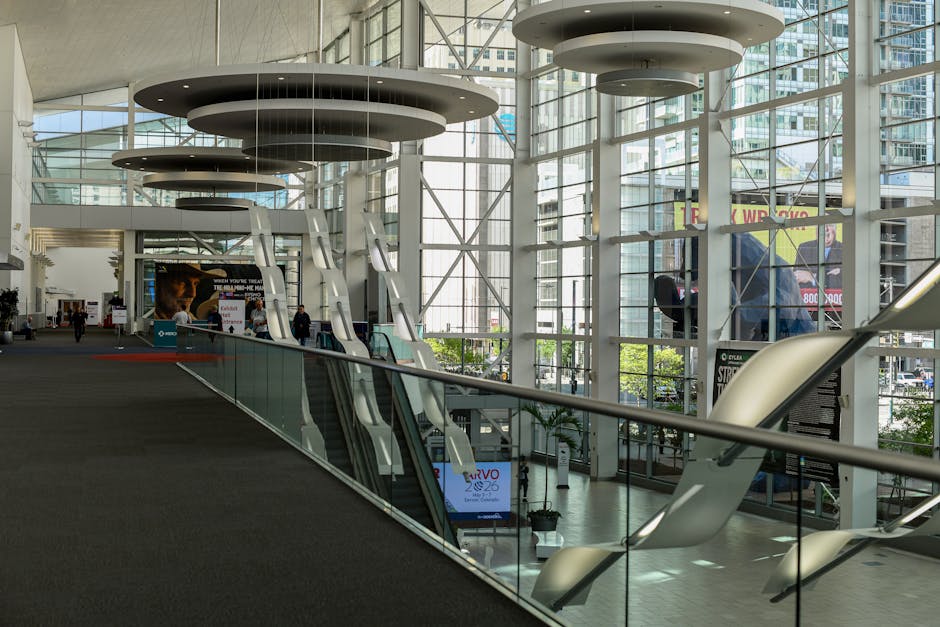
The Los Angeles Convention Center requires photographer media credentials for many events and has specific image credit requirements for any photography used in promotional materials afterward. Hotel ballrooms at flagship properties like the Marriott Marquis, InterContinental, and Beverly Hilton vary by event type: some require certificates of insurance, some maintain restricted zones around sponsor activations on the floor.
For outdoor activations at city parks, beaches, or public plazas, the City of Los Angeles requires a commercial photography permit for professional shoots. FilmLA administers permits for city-controlled locations; LA County Parks runs its own separate process. Build additional lead time into your production schedule if the venue is outdoors or if coverage spans multiple locations in the same day.
An experienced LA-based photographer or production crew will know this landscape and advise you before problems surface on event day. If a vendor has never shot at your venue and shows no interest in reviewing its specific requirements, factor that into your decision.
When Photo and Video Under One Team Makes Sense
Some corporate events are better served by having photo and video covered by one crew rather than two separate vendors. The workflow simplifies: one contract, one point of contact, one credentialing conversation with the venue, one consistent visual aesthetic across every deliverable.
The situations where it pays off most:
- Events with same-day social content needs: Short-form video clips and key photography released the same evening require tight coordination. One team editing from a shared set of footage moves faster than two crews working in separate workflows with separate timelines.
- Multi-day conferences: When recap video and stills feed the same campaign, it helps to have one team that understands the full narrative arc of the event.
- Brand activations: When both mediums need to feel like a single visual package rather than two separate contractor deliverables that happen to share a date.
Coverage quality also improves when there is no friction between a photo crew and a video crew working the same floor. Nobody is blocking the other's angle. Speakers and guests interact with one team rather than two.
Bigger Dreams is an LA-based production company that handles photo and video under one roof. If your event needs both, a discovery call is the right place to map out what that coverage actually looks like for your specific venue and timeline.
Book a discovery call and we will build a coverage plan around your venue, your timeline, and the deliverables that matter.
One team, full production, out of Los Angeles. Tell us about the project and we will map the right approach on a quick discovery call.
Book a discovery call