The short version
- Separate photographers and videographers in Los Angeles run $1,500 to $3,800 each per day, so two vendors combined start at $3,000 before overhead and climb from there.
- Two crews who have not worked together before spend part of your event negotiating space and shot priorities, and moments pass while they do it.
- One team shoots a unified visual language; separate vendors rarely color-match across photo and video without extra post-production effort on your side.
- Hiring separately makes sense when you have strong creative direction and want top-of-market specialty depth in each discipline.
- For brand events, concert coverage, and same-day social content, one integrated crew consistently outperforms two disconnected vendors on execution and coherence.
The Real Question Behind This Search
Most people searching this topic already know they need both photo and video. The actual question is whether splitting those two jobs between separate vendors gives a better result than booking a team that handles both. The answer depends on what you value most: creative specialization, budget control, or smooth execution on the day.
In Los Angeles, where production talent is genuinely world-class and options are abundant in both directions, no choice is wrong by default. The market supports highly specialized solo photographers, highly specialized solo videographers, and integrated production companies that do both well. What matters is understanding what each approach actually costs you, not just on paper, but in practice across the full arc of the project.
What Separate Vendors Actually Cost in Los Angeles
When you hire a standalone photographer and a standalone videographer as independent professionals in Los Angeles, the day-rate math is straightforward and a little sobering.
Experienced LA event photographers typically charge $1,500 to $3,800 for a full day, depending on experience level, gear, and deliverable scope. Senior commercial shooters with established client rosters push higher. Event videographers in the same market run a comparable range: $1,500 to $3,500 per day for a skilled solo operator with professional equipment. A full video crew for a brand production runs $5,000 to $15,000 or more per day once you account for additional operators and gear.
Hire both as independent professionals and you are looking at $3,000 to $7,000 in day-rate spend before you account for travel, parking, equipment rental, or production assistants. Both vendors invoice separately, hold separate contracts, and have separate post-production timelines. That is not a reason alone to avoid the approach. But price it honestly before assuming two specialists automatically means twice the value for the same spend.
The Hidden Cost: What Happens on Set
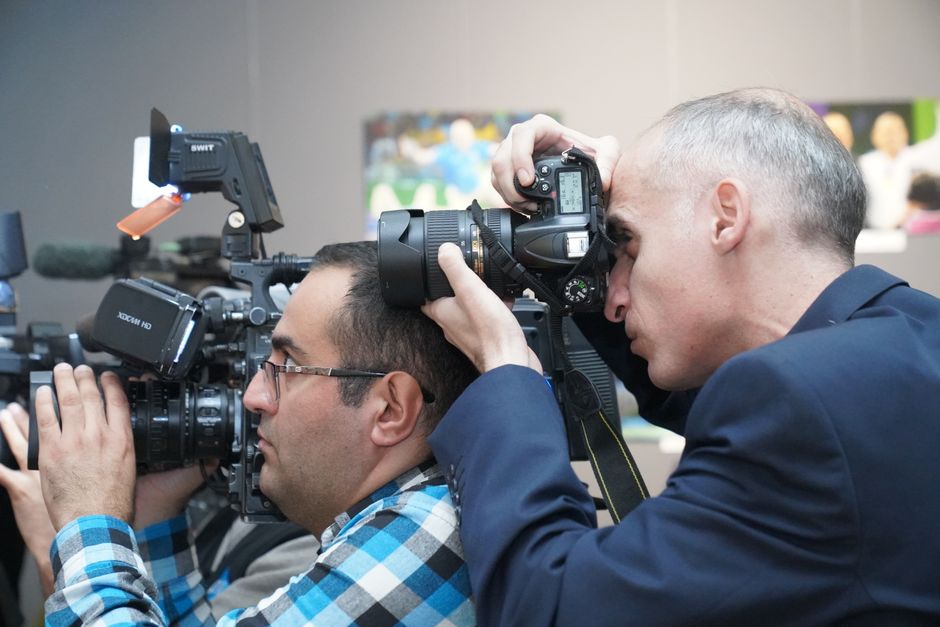
Two crews who have not worked together before will spend part of your event figuring each other out. The photographer wants clean frames. The videographer needs room for camera moves. When they have not built that working relationship before your shoot, a quiet negotiation happens on your set while talent, clients, or guests are in front of the camera. That negotiation costs you moments you cannot get back.
There is also a briefing overhead that compounds across the whole project. You give the same runsheet, the same shot priorities, the same brand context to two different people who will interpret it in two different ways. If the look and feel of your final deliverables matters, you are now responsible for making sure both crews internalize the brief equally well. That is real creative direction work that falls on you or your producer, not on either vendor.
Post-production adds another layer. Separate photographers and videographers rarely align on color treatment without explicit direction from the client side. If you want photos and video to feel like they came from the same day and the same brand, someone will be chasing that consistency after the fact, and it usually costs additional time or money to close the gap.
When Hiring Separately Is the Right Call
Separate vendors are the right call in specific situations, and it is worth naming them honestly rather than dismissing the approach outright.
- You have deep creative direction. If you already know the exact aesthetic you want for both disciplines and can brief with precision, you can target the specific photographer whose eye matches your brand and the specific cinematographer whose motion work is equally intentional. Specialty depth at the top of the LA market is real, and it is worth pursuing when the creative brief is airtight.
- Your deliverables are clearly segmented. A large-scale conference where one crew handles executive portraits in a controlled studio setup while another runs documentary-style event coverage in a separate space may call for independent operations rather than a single integrated team.
- You have a dedicated producer managing the day. When a trusted creative director or line producer is on set managing both crews, the coordination tax shrinks significantly. You are essentially building the integration layer yourself, which works when you have the people to staff it.
Outside of those conditions, the case for one team gets stronger the more moving parts your production has.
The Consistency Argument for One Team
One team speaks one visual language. When photographers and video operators work under the same creative direction and have shot together before, the work matches. The same color palette runs through stills and moving image. Lighting is coordinated instead of competing. The framing sensibility is shared rather than negotiated on set. When that material lands in the edit, it coheres naturally instead of needing to be forced together.
For brand events, product launches, concert coverage, and any production where deliverables need to tell a single story across multiple formats, visual consistency is not a minor aesthetic preference. It is the difference between a content package and a folder of files from two shoots that happened to occur on the same day.
One team also simplifies the day operationally in ways that compound quickly. One contact before the shoot. One set of shot priorities communicated once. One crew moving through the venue together, which means fewer conflicts over space, less confusion about coverage responsibilities, and more mental bandwidth available for the actual creative work rather than the logistics of keeping two separate operations aligned.
Same-Day Content and Multi-Camera Coverage
Two capabilities that often get underweighted in the one-team-versus-two comparison are same-day turnaround and multi-camera coverage. Both become significantly more complicated when two separate vendors are involved.
Same-day social content is now a standard deliverable at brand activations, festival stages, and concert productions. Delivering edited vertical clips and photo selects while the event is still happening, or within hours of wrap, requires a crew with real-time communication and a shared editorial instinct about what the best moments are. Two vendors who do not work together regularly rarely have that shorthand, and the logistics of coordinating selects across two separate workflows mid-event usually means the deliverable slips to the next day.
Multi-camera video coverage follows the same logic. A single-camera setup limits what any crew can capture at a live event where multiple things are happening simultaneously. Teams built for multi-cam work bring a fundamentally different coverage capability, and that capability is built in when photo and video operate as one production. You are not coordinating it across two contracts or two post-production pipelines.
What to Ask Before You Book a Combined Team
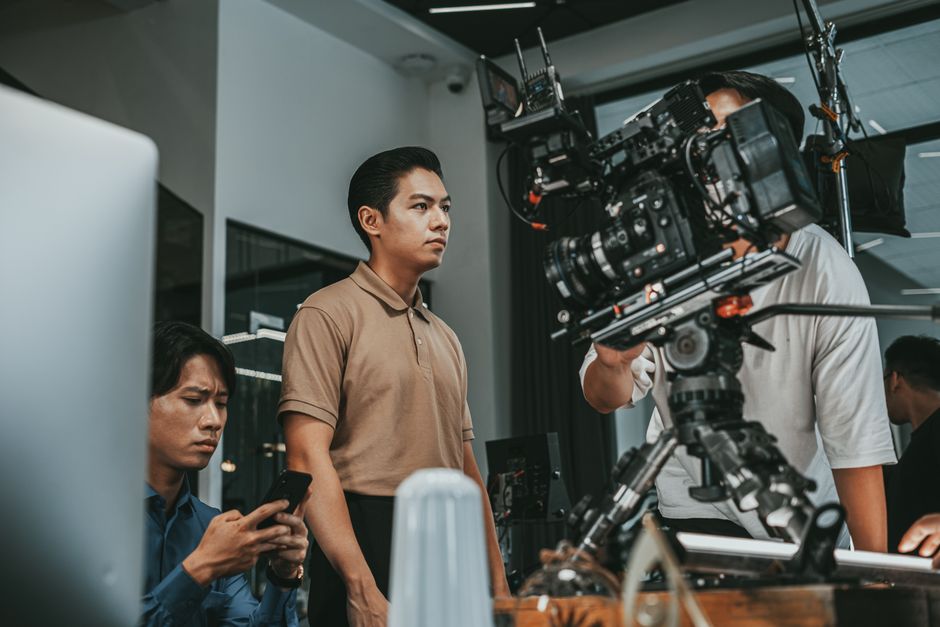
Not every production company that offers both photo and video is equally strong across both disciplines. A few direct questions will tell you quickly whether a team actually delivers or just lists both services on a website.
- Ask for standalone examples of each discipline from the same event. A capable combined team can show you photos and video from the same shoot that look intentional and matched, not like two independent contractors happened to occupy the same venue.
- Ask about crew structure. Does a dedicated operator cover stills, or is someone splitting attention between photo and video? For a full day at a brand event or live performance, dedicated operators on each format are what give you full coverage without compromise.
- Ask about turnaround capability. If same-day social content is part of your deliverable set, confirm the team has done it before and has a workflow for it. It requires a different production mindset than end-of-week delivery, and not every team that offers both photo and video has built that muscle.
- Ask about multi-camera experience directly. For concert coverage, festival stages, or high-energy brand events, multi-cam setups are often the difference between capturing a moment and missing it entirely.
Bigger Dreams operates as one team covering photo and video out of Los Angeles. That means one briefing, one visual sensibility across every format, and a crew that has built same-day content workflows across music videos, concert and festival productions, and brand events throughout Southern California. When both disciplines matter, the coordination is already solved before you arrive on set.
Book a discovery call and we will talk through your production, your deliverables, and what the right crew structure looks like for your event.
One team, full production, out of Los Angeles. Tell us about the project and we will map the right approach on a quick discovery call.
Book a discovery call